Self-Guided Central Vienna Route
This Vienna City Center Walking Guide connects Gothic architecture, elegant shopping streets, imperial squares, palace exteriors and the Vienna State Opera in one logical route.
Begin at Stephansplatz, follow Graben and Kohlmarkt toward the Hofburg, then continue through Vienna’s imperial center to the Ringstrasse and Opera area.
Starting point
Stephansplatz
Finishing point
Vienna State Opera area
Standard duration
About 2 hours
Approximate distance
About 2–3 kilometers
Is Vienna City Center Easy to Explore on Foot?
Yes. Central Vienna is highly walkable for most visitors. Many essential landmarks are close enough to connect without public transportation, particularly around Stephansplatz, Graben, the Hofburg and the Ringstrasse.
Walking is also the best way to appreciate façades, courtyards, squares and smaller streets that are easy to miss when traveling underground. The route is mostly level, although some historic areas have cobblestones and uneven surfaces.
Vienna City Center Walking Guide Contents
Start: Stephansplatz
St. Stephen’s Cathedral
Graben
Kohlmarkt
Michaelerplatz
Hofburg
Heldenplatz
Ringstrasse edge
Finish: State Opera
For a circular walk, return from the Opera to Stephansplatz through Kärntner Strasse. This adds roughly 15–25 minutes before café, shopping and photography stops.
What to Expect from a Vienna City Center Walk
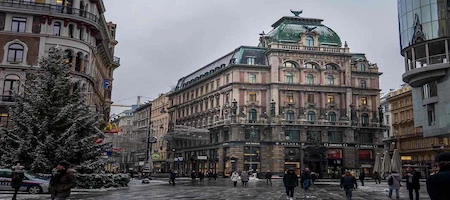
Vienna’s center combines several layers of the city within a compact area. Medieval streets surround St. Stephen’s Cathedral, elegant pedestrian avenues lead toward former imperial residences, and the edge of the old city opens onto the monumental Ringstrasse.
The walk works especially well for first-time visitors because it provides a clear introduction without requiring a complicated route or repeated transportation journeys.
Architecture
Historic and Imperial
See Gothic stonework, Baroque façades, palace courtyards and monumental Ringstrasse architecture.
Atmosphere
Elegant but Lively
The route combines famous squares and shopping streets with quieter lanes and slower architectural details.
Pace
Easy to Adjust
Complete the exterior route quickly or expand it with cathedral entry, a palace visit, shopping or a café.
Best for
First-Time Visitors
The route connects Vienna’s most recognizable central sights while helping visitors understand the city’s layout.
Best Vienna City Center Walking Route
The route below is designed to move naturally from Vienna’s medieval heart toward its imperial center and nineteenth-century boulevard. Follow the stops in order or shorten the route according to your time and energy.
1
Start at Stephansplatz
Stephansplatz is the most practical starting point for a self-guided walk. It is centrally located, easy to reach and immediately places you beside Vienna’s most recognizable cathedral.
Take a few minutes to orient yourself before beginning. The square can become busy, so an early start provides clearer views and easier photography.
Suggested time: 10–20 minutes
Best early in the day
Central transport access
2
See St. Stephen’s Cathedral
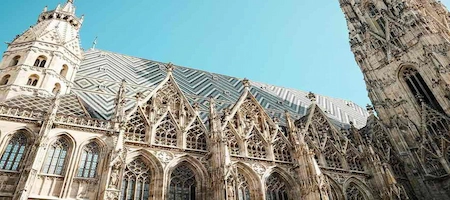
St. Stephen’s Cathedral gives the walk its strongest Gothic landmark. Admire the patterned roof, tower and exterior details before deciding whether an interior or tower visit belongs in your schedule.
An exterior stop keeps the walk short. Entering the cathedral or adding a tower can turn this into a longer attraction visit, so place it deliberately within the route.
Landmark highlight
Optional interior
Photography stop
3
Continue Along Graben
Walk west from Stephansplatz toward Graben. This elegant pedestrian street introduces Vienna’s polished central atmosphere through historic façades, cafés, shops and the Plague Column.
The street itself is part of the sightseeing experience. Look beyond the shopfronts and notice the architectural details above ground level.
Pedestrian street
Architecture and shopping
Easy café access
4
Turn onto Kohlmarkt
Kohlmarkt creates a direct visual connection between Graben and the Hofburg. The street is known for elegant architecture, luxury shops and its framed view toward the imperial complex.
Walk slowly enough to appreciate the changing perspective as Michaelerplatz and the Hofburg entrance become clearer.
Elegant central avenue
Strong Hofburg view
Luxury shopping area
5
Pause at Michaelerplatz
Michaelerplatz marks the transition from Vienna’s shopping streets into its imperial center. The curved Hofburg façade dominates the square, while surrounding buildings reveal different periods of Viennese architecture.
This is one of the most visually rewarding points on the walk. Pause before entering the Hofburg passage and look back toward Kohlmarkt.
Imperial square
Hofburg entrance
Excellent photo angle
6
Walk Through the Hofburg Exterior
Continue through the Hofburg complex to experience courtyards, arches and the scale of Vienna’s former imperial residence. The exterior route is free to walk, while museums and guided experiences require separate admission.
Avoid trying to visit every Hofburg interior during the same walk. Choose one attraction if imperial history is a priority and leave sufficient time to enjoy it properly.
Imperial architecture
Free exterior route
Optional museum visit
Planning tip: Read the
Hofburg Palace guide
before selecting an interior, museum or guided experience.
7
Cross Heldenplatz
Heldenplatz provides a more open view of the Hofburg and surrounding imperial zone. It creates a useful break after the narrower streets around Stephansplatz, Graben and Kohlmarkt.
From here, you can continue toward the Ringstrasse, Burggarten, the museum area or the Austrian Parliament and Rathaus direction.
Large historic square
Wide palace views
Multiple extension options
8
Reach the Ringstrasse Edge
Leaving the imperial complex brings you toward the Ringstrasse, the grand boulevard surrounding Vienna’s historic center. This is where the route changes from old-town lanes and palace courtyards to monumental civic architecture.
If your energy is good, continue along part of the boulevard. Otherwise, use Burggarten as a short rest before finishing near the Opera.
Monumental boulevard
Architecture extension
Nearby park break
9
Finish Near the Vienna State Opera
The Vienna State Opera provides a natural finish because it connects imperial sightseeing with Vienna’s music and performance culture. The exterior is worth seeing even when you do not plan to attend a performance or guided tour.
From the Opera area, choose a café, return to Stephansplatz through Kärntner Strasse or continue into a dedicated Ringstrasse route.
Natural finishing point
Café and dining options
Easy route extensions
Main Sights to See Along the Walk
These landmarks matter because they create a clear sequence from medieval Vienna to imperial Vienna and the Ringstrasse era. The route does not require a detailed history lesson at every stop.
St. Stephen’s Cathedral
Vienna’s central Gothic landmark and the most recognizable starting point for a first city-center walk.
Graben
An elegant pedestrian street that connects landmark sightseeing with architecture, shopping and café culture.
Kohlmarkt
A visually strong avenue leading directly toward Michaelerplatz and the Hofburg.
Michaelerplatz
The transition point between Vienna’s elegant central streets and the imperial Hofburg complex.
Hofburg Palace
The imperial center of the route, offering free exterior courtyards and several optional paid attractions.
Heldenplatz
A broad historic square providing space, palace views and several possible directions for continuing.
Vienna State Opera
A cultural landmark and practical finishing point near Kärntner Strasse, cafés and Ringstrasse connections.
Best Streets and Squares in Vienna City Center
Vienna’s central streets are not simply connections between attractions. Their façades, shopfronts, sightlines and changing atmosphere are an essential part of the walking experience.
Stephansplatz
The city’s busy central square provides immediate access to the cathedral and several old-town streets.
Graben
A polished pedestrian street combining historic architecture, cafés, shops and the Plague Column.
Kohlmarkt
One of the most elegant visual approaches to the Hofburg, with a strong perspective toward Michaelerplatz.
Kärntner Strasse
A practical return route between the Vienna State Opera and Stephansplatz, especially for shopping and evening atmosphere.
Smaller Old-Town Lanes
Streets around Dorotheergasse, Bräunerstrasse and the cathedral area provide quieter alternatives to the busiest pedestrian routes.
For central shopping areas and the Mariahilfer Strasse extension, continue with the
Vienna shopping streets and markets guide.
How Long the Walk Takes and How to Adjust It
The correct duration depends on whether you want a simple orientation walk or plan to enter attractions. Do not use the shortest estimate if you intend to visit the cathedral, Hofburg museums or several cafés.
Fast orientation
Short Version: 60–75 Minutes
- Follow the direct route without attraction interiors.
- Keep photo stops brief.
- Finish at Heldenplatz or the Opera.
- Best for arrival day or limited energy.
Best overall balance
Standard Version: About 2 Hours
- Allow time for architecture and photographs.
- Walk through Hofburg courtyards.
- Include Heldenplatz and the Opera area.
- Best for most first-time visitors.
Slower half-day
Extended Version: 3–5 Hours
- Add one cathedral, palace or museum interior.
- Include a traditional coffeehouse.
- Extend onto the Ringstrasse or old-town lanes.
- Best for travelers prioritizing central Vienna.
Tips for Exploring Vienna City Center on Foot
Best starting time
Begin in the morning for quieter squares and clearer photographs. Late afternoon is atmospheric but central streets are usually busier.
Shoes and surfaces
Wear comfortable walking shoes. The route is mostly level, but historic squares and palace areas can include cobblestones or uneven surfaces.
Sightseeing pace
Choose no more than one major interior during the standard walk. Cathedral towers, museums and palace tours can each add substantial time.
Weather planning
Carry water in warm weather and a compact rain layer when conditions are uncertain. Use museums, cafés or church interiors as planned weather breaks.
Public transportation
Use walking within the historic center and public transportation for longer transfers to Schönbrunn, Belvedere, Prater or outer neighborhoods.
Evening option
Repeat a shorter section after dark when the cathedral, Hofburg and central streets have a different atmosphere.
For U-Bahn, tram and ticket guidance, read the complete guide to
how to get around Vienna.
Optional Extensions to the Walk
Add only one extension unless you are building a half-day route. Each option changes the character of the walk and requires additional time.
Guided experience
Join a Vienna City Walking Tour
Choose a guided route when you prefer historical explanation, a scheduled meeting point and an organized introduction to the center.
See the Vienna City Walking Tour
Shopping
Add Kärntner or Mariahilfer Strasse
Use Kärntner Strasse for a central extension or travel toward Mariahilfer Strasse when shopping is a main part of the day.
Compare Vienna’s main shopping streets
Local atmosphere
Explore a Vienna Neighborhood
After seeing the historic center, use another day for Neubau, Wieden, Leopoldstadt or a quieter residential area.
Discover Vienna’s neighborhoods
Evening
Return After Dark
Use a shorter evening route for illuminated landmarks, central streets, cultural venues and a slower city atmosphere.
Plan Vienna sightseeing at night
More Things to Do Beyond the City Center Walk
Walking through central Vienna provides a strong first introduction, but the city also rewards travelers with museums, palaces, coffeehouses, local neighborhoods, evening experiences and family attractions.
Use the walking route as the foundation of your first day, then build the rest of the trip around the interests that matter most to you.
Make a Central Walking Day Easier with the Vienna E-pass
The Vienna E-pass can support an attraction-heavy walking day when its current inclusions match the places you already intend to enter.
- Organize several central attractions before beginning the walk.
- Reduce the friction of managing separate admission plans.
- Combine included attractions with free streets and squares.
- Keep the route focused instead of adding unnecessary stops.
- Leave more flexibility for cafés, photographs and local atmosphere.
View Vienna E-pass Attractions
Before Your Walking Day
- Choose the interiors you genuinely want to visit.
- Check current entry arrangements.
- Wear comfortable shoes.
- Keep one weather alternative ready.
- Avoid placing several long museum visits together.
Final Thoughts on Walking Through Vienna City Center
Central Vienna is one of the easiest and most rewarding parts of the city to explore on foot. A logical route from Stephansplatz through Graben and Kohlmarkt to the Hofburg, Heldenplatz and Vienna State Opera reveals several periods of the city without complicated transportation.
Use the short version for orientation, the standard route for a balanced first visit or the extended version when you want to add a cathedral, palace, museum or traditional coffeehouse.
Continue planning with the
Vienna travel guide,
explore the
historic center audio-guided route
or extend the walk with the
Ringstrasse architecture route.
Attraction access, guided-tour schedules and entry arrangements can change. Confirm current details before building timed attraction visits into the walking route.