Five palace experiences, five different ways to understand Vienna
Vienna’s palaces range from an imperial summer residence and a vast city-center court complex to a Baroque art museum, a selective aristocratic collection and a romantic park excursion. This guide makes those differences clear so you can choose the palace that genuinely fits your trip.
A balanced palace decision
01Choose one major interior
02Decide between history, art or gardens
03Check the access model before traveling
04Leave time for the wider setting
The best palaces in Vienna are not interchangeable. Schönbrunn is a complete imperial destination with state rooms, extensive grounds and elevated views. Hofburg is a city within the city, where royal residence, political authority and major collections overlap. Belvedere combines Baroque architecture with Austrian art, while the Liechtenstein Garden Palace offers a more exclusive aristocratic experience.
Laxenburg adds a different option beyond central Vienna: a historic landscape park and romantic castle setting that works as an excursion rather than a standard museum visit. Understanding these distinctions is the easiest way to avoid repeating similar interiors or assigning too little time to a large site.
Vienna E-pass can help organize participating palace experiences alongside museums, churches and other attractions. The best plan still begins with personal priorities. Choose the places you genuinely want to enter, confirm their current admission instructions and arrange the rest of the day around them.
Best first palaceSchönbrunn Palace
Best imperial historyHofburg Palace
Best art and architectureBelvedere Palace
Best quieter choiceLiechtenstein Garden Palace
Why Vienna Is Famous for Its Palaces
Vienna’s identity was shaped by centuries of Habsburg rule and by an aristocratic society that used architecture, gardens, ceremony and collecting to express status. Palaces were not simply large homes. They were political stages, administrative centers, seasonal residences, artistic settings and carefully planned statements about power.
That history survives in several forms. Hofburg grew within the center as the monarchy’s principal residence and seat of government. Schönbrunn developed into a summer court landscape beyond the old city. Belvedere was built for Prince Eugene of Savoy rather than the imperial family, demonstrating the wealth and cultural ambition of Vienna’s aristocracy.
The most beautiful palaces in Vienna also reveal different relationships between building and collection. At Schönbrunn, visitors follow imperial rooms and then move into the gardens. At Belvedere, the art museum is now central to the experience. At Liechtenstein, the historic interiors and Princely Collections are available through a more restricted guided format. Laxenburg shifts the emphasis almost entirely toward landscape, leisure and a romantic castle environment.
Imperial powerSee where monarchy was performedState rooms, ceremonial routes and dynastic objects turn political history into a physical experience.
ArchitectureCompare several palace typesAn urban complex, summer residence, Baroque ensemble and landscape park create distinctly different visits.
Art and collectingConnect rooms with collectionsBelvedere and Liechtenstein show how architecture and art can become one cultural experience.
Trip planningChoose depth over repetitionOne carefully selected palace interior is often more memorable than several rushed royal attractions.
If you can visit only one Vienna palace
Choose Schönbrunn for the most complete first-time palace experience, Hofburg for central imperial history or Belvedere when art matters as much as royal architecture. The correct choice depends on whether you want rooms and gardens, institutions and political history, or a palace museum centered on Austrian art.
Best Palaces in Vienna
This Vienna palace guide focuses on five experiences that serve different interests. Visit durations are realistic planning ranges rather than fixed promises. Selected tours, seasonal services, temporary closures and individual interests can change how long each place requires.
01
Complete imperial experienceSchönbrunn Palace
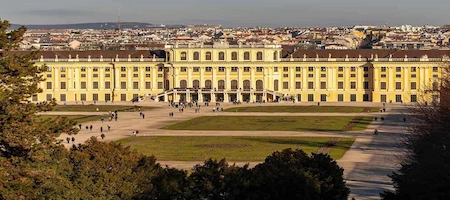
Schönbrunn is the strongest all-round choice among the imperial palaces in Vienna. The Habsburg summer residence combines furnished rooms with a vast designed landscape, allowing visitors to understand court life at both intimate and monumental scales.
The interior introduces different rulers, tastes and functions across the imperial apartments and state rooms. Outside, the Great Parterre, fountains, wooded paths and Gloriette reveal that the gardens were not an optional decorative extra. They were part of the palace’s political and theatrical effect.
Schönbrunn deserves at least half a day when both interiors and gardens matter. First-time visitors should arrange the palace entry first, wear comfortable shoes and resist adding another major palace interior immediately afterward. Families and repeat visitors can build a longer day around other attractions in the wider complex.
Use the complete Schönbrunn Palace guide to choose the appropriate visit and understand the scale of the grounds.
Why visitVienna’s most complete rooms-and-gardens palace experience
Best forFirst visits, imperial history, gardens and views
AllowAbout 3–5 hours
PriorityPalace rooms first, then gardens and Gloriette
02
Urban imperial centerHofburg Palace
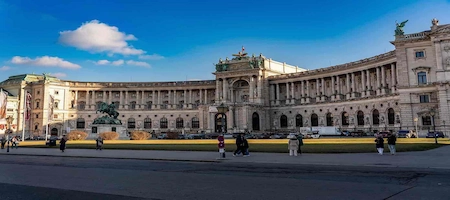
Hofburg was the Habsburg residence and administrative center in the heart of Vienna for centuries. Unlike Schönbrunn, it is not experienced as one detached palace. It is an extensive urban complex of wings, courtyards, squares, museums, ceremonial spaces and working institutions.
The Imperial Apartments and Sisi Museum provide the most recognizable royal interior experience. The Imperial Treasury emphasizes crowns, regalia and dynastic symbolism, while the Spanish Riding School, Imperial Chapel and other institutions reveal different parts of court culture. Exterior routes through Michaelerplatz, In der Burg and Heldenplatz remain worthwhile even without a museum ticket.
The main planning mistake is treating Hofburg as a single attraction that can be completed. Choose one major interior according to your interest, then use courtyards and nearby streets to understand the complex. This makes Hofburg ideal for travelers interested in power, politics and the way the imperial court occupied central Vienna.
The Hofburg Palace guide helps separate the complex into manageable options.
Why visitThe central political and ceremonial world of the Habsburgs
Best forImperial history, Sisi, institutions and short stays
AllowAbout 2–4 hours for one interior and the surroundings
PrioritySelect one museum instead of attempting the whole complex
03
Baroque palace and Austrian artBelvedere Palace
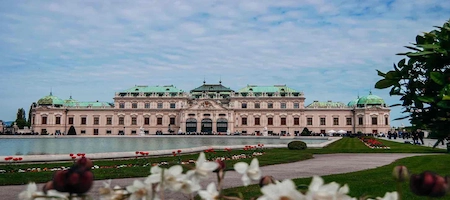
Belvedere is one of the most beautiful palaces in Vienna, but its history differs from the Habsburg residences. The Baroque complex was created as a summer residence for Prince Eugene of Savoy, whose military success and status allowed him to commission an ensemble of exceptional architectural ambition.
Today the palace is inseparable from its art collections. Upper Belvedere combines grand architecture with Austrian art and Gustav Klimt’s The Kiss. Lower Belvedere presents different exhibitions and historic spaces, while the formal garden creates the visual connection between the two palaces.
Belvedere is the best palace for art lovers and for travelers who want cultural value beyond restored state rooms. First-time visitors usually prioritize Upper Belvedere and the garden views. Treat Lower Belvedere as a separate decision based on current exhibitions rather than assuming both must be completed together.
The site combines well with Karlskirche or the Wien Museum, but it already provides enough art and architecture for one substantial half-day experience.
Why visitBaroque architecture and major Austrian art in one place
Best forKlimt, art museums, formal gardens and photography
AllowAbout 2–3 hours for Upper Belvedere and gardens
PriorityUpper Belvedere, The Kiss and the garden axis
04
Selective aristocratic experienceLiechtenstein Garden Palace
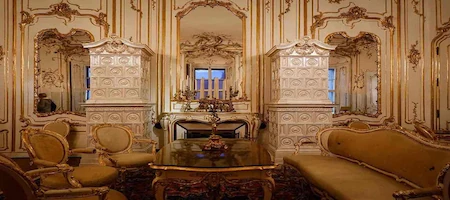
The Liechtenstein Garden Palace offers a more refined and less mainstream alternative to Vienna’s major imperial sites. Its Baroque rooms, garden setting and works from the Princely Collections create the atmosphere of a historic aristocratic residence rather than a high-volume attraction.
The palace is especially appealing to visitors interested in architecture, interiors, collecting and the role of noble families beyond the Habsburg court. The experience can feel more focused than Schönbrunn or Hofburg because access is structured and the setting is less connected to a broad sightseeing complex.
Access requires careful planning. The Garden Palace and selected works are generally experienced through announced public guided tours, private bookings or events rather than normal walk-in museum admission. Check the palace’s current program and language arrangements before building a day around it.
This is a strong repeat-visitor choice or a distinctive addition for travelers who have already seen the central imperial palaces. It should be selected for its particular atmosphere, not treated as an easier substitute with guaranteed daily access.
Why visitElegant Baroque interiors and a princely collection
Best forSelective visits, architecture and aristocratic culture
AllowAccording to the booked guided-tour format
Essential stepConfirm an available tour before traveling
05
Palace-park excursionLaxenburg Castle Park and Franzensburg
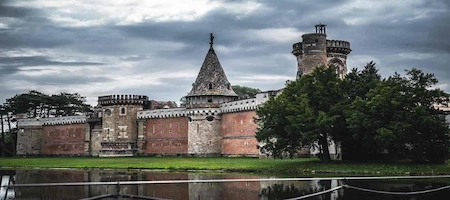
Laxenburg lies outside central Vienna in Lower Austria and offers a different type of royal experience. The Habsburgs used the area as a seasonal residence, but today the historic landscape park is the main reason to visit. Paths, water, bridges and romantic architectural features create a slower excursion built around scenery.
Franzensburg, the distinctive castle on an island, was designed in a romantic medieval style rather than surviving from the Middle Ages. Its interiors and setting reflect a later fascination with dynastic memory, historical architecture and picturesque landscape design.
This option suits travelers who prefer grounds and atmosphere to formal state rooms. Seasonal boat access, guided visits and park services can affect the experience, so check current operations before leaving Vienna. Allow transport time and do not force Laxenburg into an already full central sightseeing day.
Choose Laxenburg after the major city attractions or when green space is a priority. The guide to the best day trips from Vienna helps compare it with other excursions.
Why visitHistoric landscape, romantic architecture and a slower day
Best forParks, photography, couples, families and repeat visits
AllowAbout half a day, including travel
PriorityPark routes, lake setting and Franzensburg access
Planning note: palace opening hours, room access, timed admission, guided-tour availability, garden services and restoration work can change. Confirm official information before traveling, especially for Liechtenstein tours and seasonal Laxenburg experiences.
Which Vienna Palace Is Best for Your Travel Style?
If you are deciding which palace to visit in Vienna, begin with the type of experience you want. Fame matters less than the balance between interiors, art, gardens, location and the amount of time available.
Best for first-time visitorsSchönbrunn PalaceIt offers the clearest complete introduction to imperial rooms, court life, designed gardens and palace views. Give it a half day rather than squeezing it between central attractions.
Best for gardens and viewsSchönbrunn or BelvedereSchönbrunn provides scale, long walks and the Gloriette. Belvedere offers a more compact formal garden axis and strong palace photography close to the center.
Best for imperial historyHofburg PalaceThe central complex reveals residence, government, ceremony and dynastic collections. Select the Imperial Apartments, Sisi Museum or Treasury according to your interest.
Best for art loversBelvedere PalaceUpper Belvedere combines Austrian art, Klimt and Baroque architecture without asking visitors to choose between palace and museum value.
Best for limited timeHofburg exterior plus one interiorIts Old Town location makes it easy to combine with Stephansdom, Graben, the Ringstrasse and other major sights without a long transfer.
Best for a quieter visitLiechtenstein Garden PalaceChoose it when a suitable guided tour is available and a smaller-scale aristocratic atmosphere matters more than checking off Vienna’s most famous attraction.
Palaces, Museums, and Landmarks: What’s the Difference?
The word “palace” describes a building’s historical role, not one standard visitor experience. Schönbrunn is primarily approached through imperial rooms and grounds. Hofburg contains several independent museums and institutions inside a palace complex. Belvedere is now one of Vienna’s major art museums, while Laxenburg is strongest as a landscape and excursion.
Palace experienceRooms, court life and designed gardensChoose this when royal history and the use of the residence matter most. Schönbrunn is the clearest example; the Imperial Apartments provide the central Hofburg version.
Museum experienceCollections inside a historic settingBelvedere centers art, while the Imperial Treasury centers dynastic objects. The building adds atmosphere, but the collection determines the pace and focus.
Landmark experienceArchitecture, courtyards and exterior contextHofburg and Belvedere can still be meaningful without a long interior. Exterior routes work well when time, budget or museum energy is limited.
When comparing museums and palaces to visit in Vienna, remember that a historic building may offer a royal interior, an art collection, an exterior landmark or several separate attractions. Palaces are also only one category among the historical sites in Vienna. Use the top Vienna landmarks guide for broader sightseeing context and the Vienna history and historic landmarks guide to connect royal residences with churches, civic buildings, museums and walking areas.
How to Plan a Palace-Focused Day in Vienna
A palace day should have one main interior, a clear geographical structure and enough contrast to prevent every decorated room from merging into the next. Gardens, cafés and exterior walks are useful parts of the historical experience, not wasted time between tickets.
Classic first visit
Schönbrunn Palace and gardens
Reserve the morning for the selected palace entry, pause for lunch and explore the principal garden route afterward. Return to central Vienna for a relaxed evening rather than adding another major palace.
Central imperial day
Hofburg, Old Town and Ringstrasse
Choose one Hofburg interior, then walk through courtyards, Heldenplatz and Burggarten. Continue toward the State Opera or selected Ringstrasse architecture after a café break.
Art and architecture
Upper Belvedere and Karlsplatz
Visit Belvedere while museum energy is high, spend time in the gardens and continue later toward Karlskirche or Wien Museum. This creates variety without a second palace collection.
Selective alternative
Liechtenstein tour and northern Vienna
Build the schedule around the confirmed guided-tour time. Keep the rest of the day flexible because this palace does not follow the same walk-in pattern as the major state attractions.
Scenic excursion
Laxenburg Castle Park
Treat Laxenburg as a dedicated half-day or longer outing. Check transport and seasonal operations, then allow the park’s slower rhythm to be the point of the experience.
The guide to Vienna attractions for first-time visitors helps decide whether a palace should be the day’s priority or one element of a broader route. For a multi-day trip, use the 3 days in Vienna itinerary to separate Schönbrunn from the historic center and avoid unnecessary travel.
Continue with the Vienna Travel Guide for transportation, neighborhoods, seasons and overall pacing. If palaces are only one interest, the guide to the best things to do in Vienna adds music, cafés, family experiences, viewpoints and local culture.
Make Palace Sightseeing Easier with the Vienna E-pass
A palace-focused itinerary can involve timed admissions, guided experiences, separate museum entrances and different voucher instructions. Vienna E-pass can help organize participating attractions alongside other major Vienna sights, particularly during a short and attraction-heavy visit.
Begin with the palace experiences that genuinely match your interests. Then check whether each planned attraction currently participates and review its access method. A venue may require a reservation, printed voucher, designated meeting point or another redemption step rather than simple walk-in entry.
Place fixed-time visits first, group nearby attractions and keep gardens, courtyards, walks and café breaks flexible. The practical benefit is a clearer day with less ticket friction—not a reason to add several exhausting palace interiors simply to increase the number of included visits.
Review the current Vienna E-pass attraction directory before finalizing the palace plan.
01Choose the palace experience you genuinely want
02Check participation and access instructions
03Schedule fixed entry before flexible sightseeing
04Protect time for gardens, walks and breaks
Final Thoughts on the Best Palaces in Vienna
Vienna’s palaces are essential because they reveal several versions of the city’s historic identity. Schönbrunn presents the imperial summer court as a complete residence-and-garden landscape. Hofburg shows monarchy and administration embedded in the center. Belvedere combines aristocratic Baroque architecture with Austrian art, while Liechtenstein and Laxenburg reward more selective interests.
First-time visitors should normally choose one substantial palace interior and give it enough time. Schönbrunn provides the most complete introduction, Hofburg is the strongest central choice and Belvedere is ideal when art matters equally. Additional palaces become worthwhile when their particular architecture, access style or landscape matches the traveler.
Continue with the Vienna history and historic landmarks guide for the wider story, then use the 3 days in Vienna itinerary or Vienna Travel Guide to turn those priorities into a realistic trip.