Ten museums for art, history, design, science and families
Vienna’s museum landscape can take visitors from Bruegel and Klimt to Habsburg regalia, city history, natural science and optical illusions. This guide explains what makes each major museum different, who it suits and how to build a cultural itinerary that remains enjoyable.
A balanced museum plan
01Choose by collection, not fame alone
02Limit major museums to one or two a day
03Group visits by neighborhood
04Check current entry rules before visiting
Vienna is one of Europe’s great museum cities because its collections reflect several identities at once. It was an imperial capital, a center of court collecting, a laboratory for modern art and design, a city of music, and a place where architecture was often treated as part of the cultural experience.
The result is exciting but potentially overwhelming. Several of the top museums in Vienna appeal to art lovers, yet they offer very different collections and atmospheres. The Leopold Museum and Secession help explain Vienna around 1900, while the Wien Museum provides broader context for the city itself. Natural history, decorative arts and interactive attractions add useful variety.
Vienna E-pass can help organize participating cultural attractions and other sightseeing experiences, particularly during a short stay. Museum admission methods, timed entry and reservation requirements can differ, so confirm the current instructions for every planned visit before arranging the day.
Best all-round art museumKunsthistorisches Museum 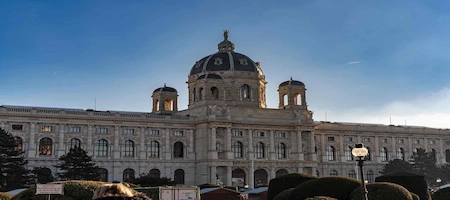
Best Klimt experienceUpper Belvedere Museum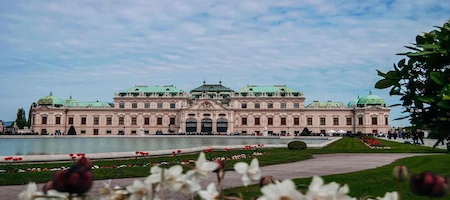
Best Vienna 1900 collectionLeopold Museum Vienna 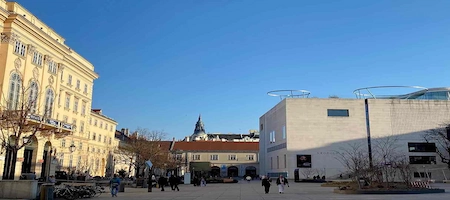
Best family varietyNatural History Museum 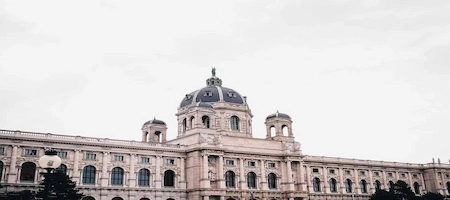
Why Vienna Is One of Europe’s Great Museum Cities
Vienna’s museum culture grew from centuries of collecting, patronage and public investment. The Habsburg collections now form the core of institutions such as the Kunsthistorisches Museum and Imperial Treasury. Baroque residences became art museums, nineteenth-century Ringstrasse buildings gave collections monumental settings, and later institutions documented the artistic experiments that made Vienna around 1900 internationally influential.
The buildings are part of the appeal. A visit may involve a domed imperial museum, a Baroque palace, historic state rooms, a modern white-cube gallery or a purpose-built city museum. This makes cultural sightseeing feel varied even when several museums appear in the same itinerary.
A practical Vienna museum guide is essential because “best” depends on the visitor. Someone interested in Old Masters may consider the Kunsthistorisches Museum indispensable. A Klimt and Schiele enthusiast may prefer Belvedere and Leopold. Families with mixed ages may spend their most successful museum hours with dinosaurs, meteorites or interactive illusions rather than in another picture gallery.
Imperial collectionsSee centuries of Habsburg collectingArt, regalia and decorative objects reveal how the court used culture to express knowledge and power.
Vienna around 1900Follow a creative turning pointKlimt, Schiele, design and Secession history connect several institutions into one strong theme.
Remarkable buildingsExperience architecture with the collectionPalaces, Ringstrasse interiors and modern galleries change the character of every visit.
Choice and varietyMatch the museum to the travelerArt, science, design, urban history and interactive experiences support very different interests.
If you can visit only three museums
Choose the Kunsthistorisches Museum for international Old Masters and imperial collections, Upper Belvedere for Austrian art and Klimt in a palace setting, and either the Wien Museum for city context or the Leopold Museum for Vienna around 1900. Families can replace one art museum with the Natural History Museum.
Best Museums in Vienna
These ten museums cover the strongest first-visit choices across art, history, design, science and family experiences. Suggested durations are planning ranges. Temporary exhibitions, queues, individual interests and the pace of children can change the actual visit considerably.
01
Old Masters and imperial collections
Kunsthistorisches Museum
The Kunsthistorisches Museum is the strongest all-round choice for visitors who want a major European art museum. Its Picture Gallery brings together works associated with Bruegel, Titian, Velázquez, Rubens and other Old Masters, while the Kunstkammer and additional collections broaden the visit beyond painting.
The museum’s Ringstrasse architecture is part of the experience. The monumental staircase, decorated interiors and domed central hall express the prestige attached to the imperial collections. Even visitors who normally move quickly through galleries should allow time to look at the building itself.
This museum rewards focus. First-time visitors can prioritize the Picture Gallery and one additional collection rather than attempting every room. It is ideal for serious art lovers, European history enthusiasts and travelers seeking one comprehensive museum for a short Vienna trip.
Best forOld Masters, imperial collecting and grand interiors
AllowAbout 2.5–4 hours
Do not missThe Bruegel rooms and the monumental central spaces
NearbyNatural History Museum, Hofburg and MuseumsQuartier
02
Graphic art and changing exhibitions
Albertina
The Albertina is internationally known for its vast graphic art holdings, including drawings and prints, but a visit is shaped by what is currently on display. Works on paper are sensitive to light, so famous sheets from the collection are not permanently presented simply because they belong to the museum.
Its exhibition program ranges across historic, modern and contemporary art. The Batliner Collection adds a recognizable route through modern painting, while the historic state rooms introduce the palace character of the building. Checking the current exhibitions is therefore more important here than at a museum built around one fixed masterpiece.
The location near the State Opera and Hofburg makes Albertina easy to include in a city-center day. It suits travelers who enjoy both classic and modern art, visitors attracted by temporary exhibitions and people who want a substantial museum without committing most of the day.
Best forDrawings, prints, modern art and temporary exhibitions
AllowAbout 2–3 hours
Before visitingCheck which collections and exhibitions are currently displayed
NearbyState Opera, Hofburg, Burggarten and Kärntner Strasse
03
Klimt and Austrian art
Belvedere Museum
Belvedere combines a Baroque palace setting with one of Vienna’s most recognizable artworks: Gustav Klimt’s The Kiss. Upper Belvedere presents highlights of Austrian art across several periods, with Viennese Modernism providing the most famous part of the visitor experience.
The palace and gardens are not background decoration. Views across the formal landscape explain the historic purpose of the complex and give the museum a different rhythm from a traditional urban gallery. Allow time outside, particularly if the weather is comfortable.
First-time visitors usually prioritize Upper Belvedere. Lower Belvedere and Belvedere 21 serve different exhibition interests and should be treated as separate decisions rather than automatic additions. This is the best museum for travelers who want Klimt, Austrian art and historic architecture in one visit.
Best forKlimt, Austrian art and a palace atmosphere
AllowAbout 2–3 hours for Upper Belvedere and gardens
Do not missThe Kiss and the view across the palace gardens
NearbyLower Belvedere, Botanical Garden and Karlskirche area
04
Schiele and Vienna 1900
Leopold Museum
The Leopold Museum is a focused choice for Austrian modernism. It is particularly associated with Egon Schiele and also places his work within the broader visual culture of Vienna around 1900, including Klimt and other artists who reshaped the city’s artistic identity.
Compared with the Kunsthistorisches Museum, the collection covers a tighter period and can feel easier to navigate. Compared with Belvedere, it gives Schiele and the cultural context of early modern Vienna greater emphasis. Those differences make the three museums complementary rather than interchangeable.
Its MuseumsQuartier location is useful for a relaxed cultural day. Visitors can combine one major collection with courtyards, cafés, architecture and another smaller exhibition space without crossing the city. The Leopold is ideal for modern-art enthusiasts and anyone building a Vienna 1900 theme.
Best forEgon Schiele, Austrian modernism and Vienna 1900
AllowAbout 2–2.5 hours
Pair withSecession for a fuller modernist art narrative
NearbyMuseumsQuartier, Kunsthistorisches Museum and Spittelberg
05
Science and natural history
Natural History Museum Vienna
The Natural History Museum is one of Vienna’s best choices for families and mixed-interest groups. Its collections range across minerals, meteorites, prehistoric objects, zoology and dinosaurs, allowing visitors to move between scientific subjects without needing specialist knowledge.
The Venus of Willendorf is one of the museum’s most famous objects, while the dinosaur displays provide an immediate highlight for younger visitors. The historic interior adds another dimension: the building mirrors the Kunsthistorisches Museum across Maria-Theresien-Platz and turns a science visit into an architectural experience.
Do not plan to cover every gallery with children. Select two or three themes and leave before attention fades. The museum works especially well on rainy or very hot days and offers a strong contrast to palace rooms and painting collections.
Best forFamilies, science, dinosaurs and mixed interests
AllowAbout 2–3 hours
Do not missThe Venus of Willendorf and favorite science galleries
NearbyKunsthistorisches Museum, MuseumsQuartier and Hofburg
06
Design and decorative arts
Museum of Applied Arts — MAK
The MAK expands the idea of an art museum beyond painting and sculpture. Furniture, textiles, glass, ceramics, posters, architecture and designed objects show how creativity enters domestic life, public space and everyday use.
Vienna 1900 is a natural strength, with design traditions associated with the period helping visitors understand the idea of the total work of art. Contemporary exhibitions and design questions keep the institution connected to the present rather than presenting decorative arts as a closed historical category.
Choose the MAK if you care about interiors, graphic design, craft, fashion, architecture or the relationship between beauty and function. It is also a smart alternative for repeat visitors who have already seen Vienna’s most famous painting collections.
Best forDesign, decorative arts, architecture and creative practice
AllowAbout 1.5–2.5 hours
Focus onVienna 1900 and one additional area that matches your interests
NearbyStubenring, Stadtpark and the Danube Canal
07
Vienna’s city story
Wien Museum
Wien Museum is the most direct choice for understanding Vienna as a city rather than as an imperial court or art-historical destination. Its displays connect urban development, politics, architecture, everyday life and cultural change across a long timeline.
This context can transform later sightseeing. Street plans, city views, objects and social history help explain how the medieval core, expanding suburbs, Ringstrasse and modern Vienna relate to one another. Visitors who enjoy knowing why a city looks the way it does may find this museum unusually useful.
Place the Wien Museum early in a longer stay if you want its context to inform later walks. On a short first trip, combine it with Karlskirche and Karlsplatz so the museum becomes part of a compact neighborhood route rather than an isolated indoor stop.
Best forCity history, urban development and local context
AllowAbout 2–3 hours
Best strategyVisit early in the trip or before a historic walking route
NearbyKarlskirche, Secession, Naschmarkt and Musikverein
08
Royal regalia and Habsburg history
Imperial Treasury Vienna
The Imperial Treasury gives material form to monarchy. Crowns, ceremonial garments, regalia, religious treasures and dynastic objects reveal how authority was staged and how ruling families communicated continuity across generations.
The collection extends beyond the Austrian Empire to objects associated with the Holy Roman Empire and the wider Habsburg story. This makes it especially valuable for visitors who want European political history rather than another general palace interior.
Because the Treasury sits within the Hofburg complex, it can be paired with courtyards, Heldenplatz or one other imperial attraction. Avoid scheduling several dense Hofburg museums back to back. Original objects and detailed explanations require concentration.
Best forMonarchy, royal symbolism and Habsburg history
AllowAbout 60–90 minutes
Do not missThe major imperial crowns and ceremonial regalia
NearbyHofburg, National Library, Albertina and Heldenplatz
09
Vienna Secession and Klimt
Secession
Secession is simultaneously an iconic work of architecture, an exhibition space and a key place in Vienna’s artistic history. Joseph Maria Olbrich designed the building for artists who wanted greater freedom from established institutions and conservative expectations.
Gustav Klimt’s Beethoven Frieze is the essential historic work inside. Temporary contemporary exhibitions continue the building’s original function as a place for living artistic production, so the interior experience is not limited to a museum of the past.
The visit is shorter than a large collection museum and works well in a thematic route with Leopold Museum, MAK or Karlskirche. It is best for architecture fans, Klimt followers and travelers who want to understand why Vienna around 1900 represented a cultural turning point.
Best forArchitecture, Klimt and Vienna Modernism
AllowAbout 45–90 minutes
Do not missThe gilded exterior dome and Beethoven Frieze
NearbyNaschmarkt, Karlskirche, Academy of Fine Arts and State Opera
10
Interactive family experience
Museum of Illusions Vienna
The Museum of Illusions provides a lighter, participatory alternative to Vienna’s traditional collections. Optical effects, sensory experiences, puzzle-like displays and illusion rooms encourage visitors to interact, take photographs and question how visual perception works.
Its greatest value in this list is contrast. Families and teenagers may appreciate an experience where touching, moving and playful participation replace quiet gallery viewing. Adults can also use it as an energetic break between history-heavy attractions.
The museum is centrally located, so it can fit into an Old Town day without major transport. It should not replace Vienna’s essential art or history institutions for every traveler, but it can make a mixed-age itinerary more balanced and memorable.
Best forFamilies, teenagers, photography and interactive fun
AllowAbout 60–90 minutes
Best strategyVisit between more formal cultural attractions
NearbyHofburg, Kohlmarkt, Graben and the central Old Town
Before you go: temporary exhibitions, opening hours, gallery closures, renovation work and timed-entry policies can change. Check the museum’s current visitor information shortly before the trip, especially when one specific artwork or exhibition is the main reason for visiting.
How to Choose the Right Museums in Vienna
If you are deciding which museums to visit in Vienna, start with subject matter rather than rankings. A museum can be internationally important and still be the wrong choice for someone who does not enjoy its collection. The best museums in Vienna for art lovers will not necessarily suit a family seeking science or interaction.
Best for art loversKunsthistorisches Museum, Belvedere and LeopoldChoose Kunsthistorisches for Old Masters, Belvedere for Klimt and broader Austrian art, or Leopold for Schiele and Vienna around 1900. Albertina becomes a priority when its current exhibitions match your interests.
Best for history loversImperial Treasury and Wien MuseumThe Treasury focuses on dynastic power and royal objects. Wien Museum explains urban development and daily life. Together they prevent Vienna’s history from becoming only a story of palaces.
Best for familiesNatural History Museum and Museum of IllusionsNatural history offers depth and variety for several ages. The illusion experience is shorter, more playful and easier to combine with an Old Town sightseeing day.
Best for first-time visitorsKunsthistorisches or BelvedereEither can serve as the main art museum. Add Wien Museum for context, Natural History for family variety or Leopold when modern Austrian art matters more than Old Masters.
Best for a short stayOne major collection plus one focused museumCombine Belvedere with Wien Museum or Secession, or Kunsthistorisches with the Imperial Treasury. Avoid using half the trip to enter institutions simply because they are famous.
Best for design and modernismMAK, Leopold and SecessionThis trio connects designed objects, Vienna 1900, Schiele, Klimt and the movement’s exhibition architecture. Divide it across two days if you want to look carefully.
Three efficient museum-day combinations
Geography can simplify the decision. Each plan below keeps walking and transport manageable while providing enough contrast to avoid museum fatigue.
Imperial and Old Masters
Kunsthistorisches Museum and Imperial Treasury
Begin with the larger collection while energy is high, take a proper lunch break and use the Hofburg area for the shorter Treasury visit. Finish with courtyards or parks rather than a third museum.
Vienna 1900
Leopold Museum and Secession
See Schiele and the modernist context at the Leopold, pause in MuseumsQuartier and continue to the Secession Building and Beethoven Frieze. The walk between them supports the theme.
City and Baroque setting
Wien Museum and Upper Belvedere
Use the city museum for context, stop around Karlsplatz and continue to the palace for Austrian art and gardens. This combines historical explanation with a visually grand finish.
If museums are a major trip priority, distribute them across the 3 days in Vienna itinerary rather than building one exhausting indoor day. The broader Vienna Travel Guide can help with neighborhoods, transport and the pace of the overall visit.
More Things to Do in Vienna Beyond Museums
Museums explain Vienna, but the city’s architecture, streets, cafés, performances and seasonal public life give that knowledge a physical setting. These cultural attractions in Vienna become more meaningful when indoor visits alternate with experiences that change the pace.
LandmarksSee Vienna at city scale
Palaces, churches, public buildings and viewpoints connect individual collections to the places that produced them. Use the guide to the top Vienna landmarks to choose the strongest outdoor additions.
Historic sitesContinue beyond museum walls
Hofburg, Schönbrunn, Stephansdom and the Ringstrasse turn imperial, religious and civic history into a route. The Vienna history and landmarks guide provides the wider context.
CoffeehousesGive the day breathing room
Vienna coffee culture is a meaningful local experience and a practical pause between demanding collections. Treat the café as part of the day, not just recovery from it.
Opera and musicTurn heritage into performance
Concerts, opera, composer sites and historic halls create a different relationship with the city’s cultural past. Start with the Vienna music culture guide.
FamiliesMix observation with activity
Combine one collection museum with a park, interactive attraction, Prater experience or outdoor landmark. Variety usually matters more than completing every gallery.
Evenings and seasonsAdapt to daylight and weather
Museums protect rainy or very hot hours. Save pleasant daylight for gardens and walks, then use performances, illuminated landmarks and seasonal events after closing time.
The complete guide to the best things to do in Vienna helps combine museums with landmarks, music, local culture, family attractions and seasonal experiences. A strong trip usually feels richer when cultural depth and unstructured city time support each other.
Make Museum Visits Easier with the Vienna E-pass
A culture-focused itinerary can involve several different admission systems, opening schedules and reservation conditions. Vienna E-pass can simplify the planning of participating attractions by bringing relevant access information into a more organized sightseeing journey.
Begin with the museums you genuinely want to see, then review which planned experiences participate and how access works. Some attractions may allow direct entry, while others can require a reservation, voucher exchange, designated entrance or meeting point. Follow the current instructions for each experience instead of assuming every venue uses the same process.
Place fixed-time visits into the schedule first. Group nearby museums, protect time for lunch and avoid treating theoretical admission value as a reason to rush through collections. The practical benefit is a smoother day, especially for first-time travelers and short stays—not a requirement to enter as many places as possible.
Review the current Vienna E-pass attraction directory before finalizing the museum plan.
01Choose museums by genuine interest
02Check current participation and access rules
03Book fixed-time visits before building the route
04Leave space for meals, walks and museum fatigue
Thoughts on the Best Museums in Vienna
Vienna’s best museums succeed because they do not all tell the same story. The Kunsthistorisches Museum reflects imperial collecting and European art. Belvedere and Leopold make Austrian modernism central. Wien Museum explains the city, MAK shows the importance of design, and the Natural History Museum or Museum of Illusions creates variety for families and mixed-interest travelers.
For a first visit, choose one major art museum, then add a second institution only when it introduces a different subject or atmosphere. Travelers with more time can follow a theme—imperial collections, Vienna around 1900, design, city history or family science—across several days.
Continue with the guide to the best things to do in Vienna to place museum visits within a complete itinerary of landmarks, performances, cafés, neighborhoods and seasonal experiences.