A practical culinary guide to Vienna
Discover Vienna one plate, pastry, and coffee at a time
Vienna tastes of crisp schnitzel, slow-simmered beef, warm apple strudel, polished coffeehouses, lively markets, and wine grown within the city. This guide brings those experiences together so you can decide what deserves a place in your trip.
Start with the essentials
Vienna is famous for palaces, music, and museums, but its culinary culture often creates the moments travelers remember most clearly. A coffeehouse break changes the pace of an afternoon. A market reveals the everyday city. A traditional dinner connects imperial history with recipes that are still part of local life.
You do not need to organize every meal before arriving. The best approach is to reserve space for a few essential experiences, then let bakeries, markets, neighborhood cafés, and spontaneous stops fill the gaps. If you are also planning several paid attractions, the Vienna E-pass attraction collection can simplify the sightseeing side of the day and leave more breathing room for food.
Why Food and Drink Matter in Vienna
Vienna’s food identity is not limited to a handful of famous recipes. It is a network of restaurants, coffeehouses, pastry shops, markets, sausage stands, bakeries, wine taverns, and modern dining rooms, each offering a different way to understand the city.
Traditional Viennese cuisine reflects the city’s history as the center of a large, multicultural empire. Recipes and techniques associated with Central Europe became part of local cooking, while the imperial court, middle-class dining rooms, and neighborhood taverns shaped distinctive Vienna traditions. Today, a visitor can encounter that heritage in both formal restaurants and simple everyday meals.
Food also helps structure a realistic itinerary. Rather than treating meals as interruptions, use them as transitions: a café after a museum, market browsing before a neighborhood walk, or a wine-tavern evening after a day in the historic center. That rhythm makes an attraction-heavy trip feel more personal and less rushed.
First-time planning principle: Choose one substantial traditional meal, one unhurried coffeehouse visit, one dessert, and one flexible market or casual-food stop. Add a local drink experience if your schedule allows. This creates variety without turning every day into a checklist of dishes.
Vienna Food and Drink at a Glance
If you only want the quick orientation, these six experiences explain the main character of eating and drinking in Vienna.
Classic main dish
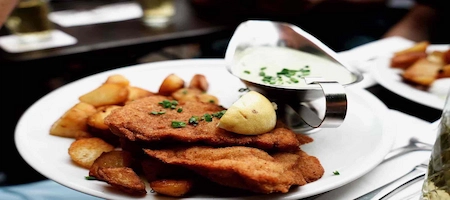
Wiener Schnitzel
Breaded, fried, and traditionally made with veal. It is the most recognizable starting point for a first Vienna meal.
Heritage dish
Tafelspitz
Gently boiled beef served with accompaniments. Choose it when you want a slower, more traditional restaurant experience.
Cultural pause
Viennese Coffeehouse
More than a quick drink: table service, a calm pace, classic interiors, newspapers, conversation, and often a tempting cake counter.
Sweet tradition
Cakes and Pastries
Sachertorte and Apfelstrudel are the headline choices, while Kaiserschmarrn offers a warmer and more substantial alternative.
Flexible exploration
Vienna’s Markets
Markets combine produce, snacks, restaurants, ingredients, and neighborhood atmosphere in a format that is easy to fit into a sightseeing day.
Local evening
Viennese Wine
Vineyards and traditional wine taverns bring a greener, slower side of Vienna into the city’s culinary story.
What to Eat in Vienna
The best food in Vienna depends on whether you want one famous classic, a deeper traditional meal, a quick local snack, or a sweet café experience. Start with the dishes below, then choose according to appetite and travel style.
01
Wiener Schnitzel
A thin veal cutlet, breaded and fried until the coating is crisp and golden. It is usually a substantial main course, so plan it as the center of a meal rather than a quick snack.
First visitClassicFull meal
02
Tafelspitz
Boiled beef served with broth and traditional accompaniments. It reveals a quieter side of Viennese cuisine and suits travelers who enjoy heritage recipes and sit-down dining.
TraditionalLeisurely lunchDinner
03
Viennese Goulash
Vienna developed its own relationship with the wider Central European goulash tradition. It is warming, savory, and especially appealing in cool weather or after a long walking day.
Comfort foodCold weatherCasual meal
04
Würstel and Casual Bites
Sausage stands and simple counters offer a useful contrast to formal dining. They work well when you need a quicker meal without abandoning the local-food theme of the trip.
Quick stopBudget-awareLate snack
05
Kaiserschmarrn
A torn, fluffy pancake-style sweet served as a generous dish. It can be dessert, but portions are often substantial enough to become the main event of a café or afternoon stop.
Sweet mealShareableCafé stop
06
Apfelstrudel and Sachertorte
Apple strudel offers warm spice and pastry; Sachertorte brings dense chocolate cake and apricot notes. Trying one of each on separate days is more enjoyable than ordering both at once.
Iconic dessertsCoffee pairingFirst visit
Want to place these dishes into a wider trip? The main Vienna travel guide connects food stops with sightseeing, transport, neighborhoods, and realistic daily planning.
Plan the full trip
Traditional Viennese Food and Local Specialties
A dish becomes meaningful when you understand the kind of experience around it. Traditional Viennese food is best approached through context, pace, and setting—not only through a list of famous names.
What makes a meal feel distinctly Viennese?
It may be the crisp breading of a schnitzel, the careful service of boiled beef and its accompaniments, a richly flavored sauce, a seasonal pastry, or the formality of a dining room that still values an unhurried meal.
The cuisine can be generous and filling. Balance traditional restaurant meals with lighter lunches, soups, bakery stops, and market food. This makes it possible to explore more variety without planning three heavy meals every day.
Do not assume that the busiest central restaurant is automatically the most authentic or that a neighborhood dining room is automatically better. Look for a menu that matches the experience you want, check current opening and kitchen hours, and reserve when a particular restaurant matters. Travelers with allergies or dietary requirements should confirm ingredients directly because traditional recipes and preparation methods vary by venue.
Vienna Café Culture and Coffeehouse Traditions
A Viennese coffeehouse is a place to pause, read, meet, think, and watch the city. The room and the pace matter as much as the drink.
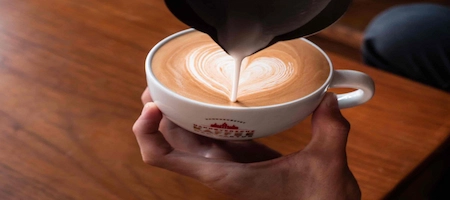
Coffeehouse etiquette: A slower pace is normal. Choose a table, order at your seat, and enjoy the surroundings rather than treating the visit like a takeaway stop. If you plan to eat a full meal, check the café’s kitchen hours and menu because not every pastry-focused café offers the same savory selection.
Desserts, Pastries, and Sweet Stops in Vienna
Vienna’s desserts are not an afterthought. They are part of the city’s café ritual, imperial culinary image, and everyday bakery culture.
Sachertorte
Choose it for the iconic Vienna cake experience. The chocolate and apricot combination is rich, so coffee and an unhurried setting matter more than ordering several desserts beside it.
Apfelstrudel
Apple, spice, and pastry create a warmer, lighter-feeling alternative to chocolate cake. It is especially satisfying after a cold-weather walk or as a mid-afternoon stop.
Kaiserschmarrn
This torn pancake-style sweet is often more filling than visitors expect. Share it, order it when hungry, or let it replace a lighter meal rather than treating it as a small finish.
Gugelhupf
A ring-shaped cake associated with coffee and home-style baking. It is a good choice when you want something traditional without repeating the most famous tourist order.
Palatschinken
Thin pancakes with sweet fillings provide another classic option. They suit travelers who prefer a freshly prepared dessert over a slice from the cake counter.
Seasonal pastries
Bakery and café displays change with the season. Leave room for one discovery rather than deciding every sweet stop before you see what is available.
A good dessert plan is simple: select one iconic cake, one warm pastry or sweet dish, and one spontaneous bakery item across the trip. This gives you range while preserving appetite for traditional meals and market food.
What to Drink in Vienna
Coffee may dominate Vienna’s global image, but the city’s drink culture also includes locally grown wine, beer, aperitifs, and non-alcoholic café traditions.
01
Coffee
Begin with a Melange if you want an accessible local-style order, then explore stronger or lighter choices according to taste. The setting is part of the experience.
02
Viennese Wine
Vienna has vineyards within the city and a strong wine-tavern tradition. A Heuriger is best treated as a destination, especially when paired with a neighborhood or vineyard-edge outing.
03
Beer
Beer suits casual meals, pubs, and relaxed evening stops. Ask what is local or regional if you want to move beyond the most familiar international labels.
04
Alcohol-free
Tea, hot chocolate, soft drinks, juices, and alcohol-free options make it easy to enjoy café or tavern settings without ordering coffee or alcohol.
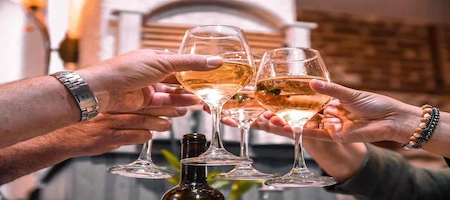
For a wine-focused evening, consider districts and former wine villages toward the city’s greener edges, including areas around Grinzing and Nussdorf. Check the current opening days of individual wine taverns before traveling; smaller venues may operate seasonally or on selected dates. The guide to Vienna’s neighborhoods and local areas helps place these wine districts within a broader city plan.
Food Markets and Local Culinary Spots
Markets are ideal when a formal meal feels too rigid. They allow you to browse, compare, snack, and experience a neighborhood at your own pace.
Start with Vienna’s best-known market in NASCHMARKT
Produce, ingredients, casual food, restaurants, international flavors, and city atmosphere in one walkable area.
How to use a market well
Visit when the market is active, but do not arrive with a rigid list of ten things to taste. Walk through once, observe the stalls and menus, then choose one or two stops that genuinely appeal to you.
- Choose a market for variety, flexible timing, browsing, and a lighter meal.
- Choose a traditional restaurant for a specific dish and a more complete sit-down experience.
- Choose a coffeehouse for atmosphere, conversation, cake, and a slower break.
- Choose a wine tavern for an evening centered on wine, shared food, and a more local setting.
The Naschmarkt and Viennese Food Culture audio guide offers a self-guided way to connect the market with Vienna’s wider culinary history.
Naschmarkt is the most obvious first stop, but it is not Vienna’s only market environment. Neighborhood markets can feel less monumental and more closely connected to everyday life. If your itinerary includes Leopoldstadt, Ottakring, or other local districts, consider whether a nearby market can become the food anchor for that day.
Where to Eat in Vienna
There is no single best dining area or restaurant for every traveler. The right choice depends on what you want to eat, how formal the meal should feel, where you will already be sightseeing, and how much time you want to spend.
For a first traditional meal
A Viennese restaurant or Beisl
Choose this format for schnitzel, Tafelspitz, goulash, and other savory classics. Reserve if a particular venue or evening matters to your plan.
For culture and a pause
A traditional coffeehouse
Best when atmosphere is as important as the menu. It fits naturally beside museums, the Ringstrasse, and long walks through the historic center.
For flexibility
A market or casual counter
Useful when your sightseeing schedule may change. Browse first, then decide whether you want a snack, lunch, or a longer restaurant stop.
For a local-feeling evening
A Heuriger or neighborhood venue
Best for travelers willing to leave the most visited core and make the setting part of the experience. Confirm opening times before traveling outward.
For a sweet priority
A pastry shop or café
Choose a focused dessert stop instead of adding cake to every large meal. This creates a better tasting experience and a more comfortable pace.
For contemporary Vienna
A modern café or creative restaurant
Vienna is not frozen in its imperial image. Newer places offer specialty coffee, modern Austrian cooking, international influences, and design-led settings.
Avoid the “famous place” trap: Reputation can be part of the attraction, but it should not control every meal. Combine one iconic venue with neighborhood choices near the places you are already visiting. That usually creates a more varied and realistic Vienna food experience.
Food and Drink for First-Time Visitors
A short trip offers enough time to understand Vienna’s culinary identity without chasing every specialty. The key is to distribute experiences across the day.
A balanced first day through food
MorningBegin simply with breakfast or a bakery stop. Save the historic coffeehouse for a time when you can appreciate it without rushing.
MiddayChoose a market lunch, soup, sausage stand, or lighter neighborhood meal if the evening will include a traditional restaurant.
AfternoonPause for a Melange and one Viennese dessert after a museum, palace, or central walking route.
EveningMake Wiener Schnitzel, Tafelspitz, or another local dish the focus. On another night, consider a wine tavern or modern Vienna restaurant.
During a two- or three-day trip, spread the main experiences out. One day can emphasize the historic center and a coffeehouse; another can combine a palace with a traditional dinner; a third can add Naschmarkt, a neighborhood café, or a wine-focused evening. The 3 days in Vienna itinerary provides a practical sightseeing structure that can support this food rhythm.
How to Plan a Food-Focused Trip to Vienna
Good culinary planning protects appetite, time, and spontaneity. Build food around your route instead of repeatedly crossing Vienna for separate reservations.
1
Choose your priorities
Select the two or three experiences that would disappoint you to miss: perhaps schnitzel, a historic coffeehouse, Naschmarkt, or a Heuriger.
2
Match them to areas
Place a café after nearby sightseeing, use a market to anchor a neighborhood afternoon, and avoid long detours for ordinary meals.
3
Reserve selectively
Book only the restaurants or time-sensitive experiences that matter. Keep several meals flexible for weather, appetite, and discoveries.
4
Balance heavy and light
Follow a substantial meal with a simpler one. Treat large desserts such as Kaiserschmarrn as their own experience.
5
Check practical details
Confirm current opening days, kitchen hours, reservations, payment methods, dietary needs, and holiday schedules directly.
6
Leave one open slot
A bakery window, market stall, or neighborhood café may become more appealing than anything you could have selected in advance.
Use the best things to do in Vienna to choose the sightseeing priorities around your meals. For a slower local approach, compare areas in the Vienna neighborhoods guide. The goal is not to separate food from the rest of the trip, but to let both strengthen each other.
Plan the sightseeing, protect the pauses
Make Sightseeing Easier with the Vienna E-pass
Food-focused moments are easier to enjoy when the attraction side of the itinerary is organized. Vienna E-pass brings a selection of major sights and experiences into one digital product, helping first-time visitors build clearer sightseeing days without turning every ticket into a separate planning task.
The current attraction collection also includes food-connected experiences such as the Naschmarkt and Viennese Food Culture audio guide, alongside discounts for selected culinary partners. Always review the latest inclusions, reservation instructions, and operating details before your visit.
See Vienna E-pass attractions
Continue Planning Your Vienna Experience
This page is the culinary starting point. Use these live Vienna guides to turn individual food ideas into a complete and realistic trip.
Final Thoughts on Food and Drink in Vienna
Vienna is best understood through both its monumental sights and its everyday rituals. A traditional meal explains part of the city’s history. A coffeehouse teaches you to slow down. A market shows Vienna as a living, multicultural place. A pastry or glass of local wine turns an ordinary pause into part of the journey.
For a first trip, focus on variety rather than quantity: one essential main dish, one true coffeehouse visit, a few sweets across different days, a market stop, and a drink experience that suits your interests. Then use the deeper guides above to explore the parts of Vienna’s food culture that matter most to you.
When you are ready to connect those culinary experiences with landmarks, neighborhoods, and museums, continue with the Vienna travel guide and review the current Vienna E-pass attractions.