A first-trip tasting plan for Vienna
Start with one classic main course, add a proper coffeehouse pause, choose a memorable dessert, and leave room for a casual local bite. This guide turns Vienna’s best-known food traditions into a realistic plan for a first visit.
Vienna’s food identity is larger than any single dish. It includes imperial-era cooking, Central European comfort food, formal dining rooms, neighborhood markets, sausage stands, elegant cakes and the deliberately unhurried rhythm of the traditional coffeehouse.
For a first visit, the goal is not to order every famous item. A better strategy is to choose a few experiences that show different sides of the city. The Vienna E-pass can simplify attraction-heavy days, leaving more space for a proper lunch, coffee-and-cake stop or relaxed evening meal without turning the itinerary into a race.
Essential mealWiener Schnitzel or Tafelspitz
Essential ritualA traditional coffeehouse visit
Essential sweetApfelstrudel, Sachertorte or Kaiserschmarrn
Essential contrastA market bite or sausage-stand stop
What Food Should First-Time Visitors Prioritize?
Prioritize experiences, not just dish names. One traditional restaurant meal shows Vienna’s savory cooking; one coffeehouse visit explains the city’s social rhythm; one dessert introduces its pastry culture; and one casual stop keeps the trip connected to everyday city life.
The quick answer
If you have limited time, try Wiener Schnitzel or Tafelspitz for a main meal, choose either Apfelstrudel or Sachertorte with coffee, and add a sausage or market snack when it naturally fits your route. This creates variety without filling every day with long restaurant reservations.
Food should support the trip rather than interrupt it. A large lunch after Schönbrunn, a coffeehouse pause during a city-center walk and a market visit on a lighter morning usually feel more natural than crossing Vienna solely for a famous item.
Best Food in Vienna for First-Time Visitors
The following shortlist covers the dishes and experiences that communicate Vienna most clearly. Each one has a different role, so you can select according to appetite, schedule and travel style.
01
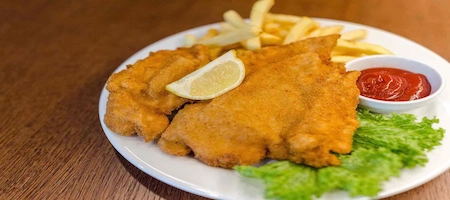
Wiener Schnitzel
A thin veal cutlet coated in breadcrumbs and fried until crisp and golden. It is the most recognizable Viennese main dish and an easy first choice when you want one unmistakably classic meal.
Good schnitzel should feel light and crisp rather than heavy. It is usually best treated as the main event of lunch or dinner, not squeezed between several rich tastings.
Main courseBest for first classic mealAllow a proper sit-down stop
02
Tafelspitz
This traditional dish centers on gently simmered beef, commonly served with accompaniments such as horseradish, chive sauce, potatoes or vegetables.
Choose it when you prefer a heritage-rich meal with more ceremony than a quick plate. It suits visitors interested in Vienna’s imperial culinary identity and is especially satisfying in cooler weather.
Main courseBest for heritage diningUnhurried meal
03
Sachertorte
Vienna’s famous chocolate cake is dense, polished and closely tied to the city’s hotel and coffeehouse tradition. It is best understood as part of a café experience rather than as a box to tick.
Order a slice with coffee, take time to notice the room and do not schedule another heavy dessert immediately afterward. One good stop is enough to make the ritual memorable.
DessertBest with coffeeClassic first-trip choice
04
Apfelstrudel
Thin pastry wrapped around an apple filling makes Apfelstrudel one of the most approachable Viennese sweets. It works as a mid-afternoon café order or a lighter finish after lunch.
It is a strong alternative to chocolate cake for travelers who prefer fruit-based desserts, and it pairs naturally with the slower pace of a traditional coffeehouse.
PastryBest for a café breakEasy first-time choice
05
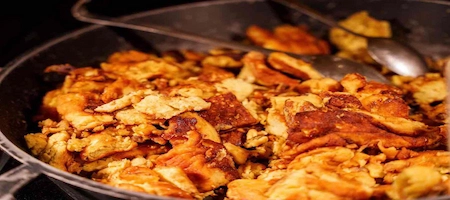
Kaiserschmarrn
Kaiserschmarrn is a torn, fluffy pancake-style dessert, commonly served warm with fruit compote. It is comforting, generous and often more filling than visitors expect.
Share it or treat it as a planned sweet course. It is ideal for couples, families and anyone who wants a warm dessert rather than a formal slice of cake.
Warm dessertGood for sharingPlan for a larger portion
06
A Traditional Coffeehouse Experience
The order matters less than the pace. A proper Viennese coffeehouse visit means sitting down, reading the room, allowing conversation to unfold and pairing coffee with cake or pastry if you wish.
Choose one classic coffeehouse for atmosphere, then let other coffee stops be simpler. This keeps the experience special and prevents the itinerary from becoming a queue of famous cafés.
Cultural ritualBest between sightsAllow 45–75 minutes
07
A Local Drink
Coffee is essential, but Vienna’s drink culture also includes Austrian wine, beer and seasonal options. Select the setting first: coffeehouse by day, wine bar or Heuriger for a slower evening, and beer with a casual meal.
A Gemischter Satz is a useful introduction to Vienna’s local wine identity. Ask for a recommendation rather than feeling obliged to understand the full wine list.
Drink experienceBest in the eveningAsk for a local suggestion
08
A Casual Market or Sausage-Stand Bite
Vienna’s food experience should not be limited to linen-covered tables. Markets and sausage stands offer a quicker, more flexible contrast to palace cafés and traditional restaurants.
Try a Käsekrainer, browse a market for lunch or choose a simple seasonal snack. This is particularly useful on a museum-heavy day when a formal meal would slow the route too much.
Casual foodBest for flexible daysBudget-aware option
The Best Short-Trip Food Shortlist
A two- or three-day visit cannot hold every traditional dish comfortably. The most useful shortlist gives each food stop a clear purpose.
A simple five-part Vienna tasting plan
Use these as flexible anchors. They do not need to happen in this exact order, and two experiences can be combined when the day allows.
One main mealWiener Schnitzel or Tafelspitz
One café ritualCoffee in a traditional coffeehouse
One dessertStrudel, Sachertorte or Kaiserschmarrn
One casual stopMarket lunch or sausage stand
One local drinkViennese wine, beer or a classic coffee
What Should You Eat First?
Choose Wiener Schnitzel first if…
You want the most recognizable Vienna dish, prefer a crisp and straightforward main course, or have only one traditional restaurant meal available.
Choose Tafelspitz first if…
You enjoy slower heritage dining, want something less visually familiar, or are especially interested in the city’s imperial food traditions.
Choose a coffeehouse first if…
Your schedule is short, you are walking in the historic center, or you want a cultural experience that fits neatly between landmarks.
Choose a market first if…
You prefer variety, casual dining and local atmosphere, or your group wants different food without committing to one long meal.
Useful rule: Do not order the richest main course and the largest dessert at every stop. Vienna’s classics are easier to appreciate when you alternate substantial meals with lighter lunches, walking and coffee breaks.
Best Café and Dessert Experiences for a First Trip
A coffeehouse should be treated as part of sightseeing, not simply as a place to refuel. The room, service rhythm, newspaper culture and permission to linger are central to the experience. Learn more through the Vienna E-pass guide to Vienna coffee culture and iconic cafés.
For the classic imageChoose a traditional coffeehouse with elegant interiors and order coffee with Sachertorte or Apfelstrudel.
For a warmer dessertPlan Kaiserschmarrn when you have a larger appetite or want to share something at the table.
For modern coffeeVisit a contemporary café on another day. It may offer a stronger specialty-coffee focus, though it will not reproduce the historic coffeehouse ritual.
Best Drinks for First-Time Visitors
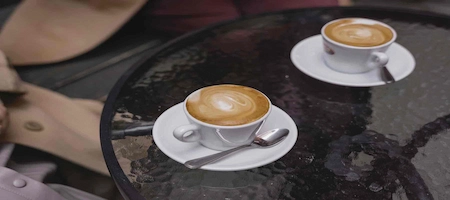
Vienna’s drinks make more sense when matched to place and time of day. Coffee belongs naturally to the late morning or afternoon. Austrian wine works well before dinner, with small plates, or during a dedicated evening. Beer is an easy partner for schnitzel, sausages and casual food.
If you want one locally distinctive wine choice, ask about Wiener Gemischter Satz. It is produced from different grape varieties grown together in the same vineyard and made into one wine. Visitors who want a rural atmosphere can also consider a Heuriger, while an urban wine bar is easier to combine with a central evening.
Where Should First-Time Visitors Eat?
The right setting depends on the experience you want. The where to eat in Vienna guide explains the city’s dining formats in more detail, but these distinctions are enough to make a confident first choice.
Traditional restaurant
Best for schnitzel, Tafelspitz and a full introduction to savory Viennese food. Reserve when the meal is a priority, especially for a popular evening slot.
Historic coffeehouse
Best for atmosphere, coffee, cake and a deliberate break between attractions. Go outside the busiest moment if you value a calmer experience.
Food market
Best for variety, casual lunches and groups with different tastes. Markets also reveal a more everyday and international side of Vienna.
How to Build Food into Your First Vienna Trip
Food planning works best when it follows geography. Group central sights, place lunch near the final morning stop, and choose a coffeehouse near the start of the afternoon route. This prevents a restaurant reservation from dividing the day into awkward pieces.
Morning
Begin with sightseeing, not a heavy meal
Have breakfast simply unless it is an experience you genuinely value. Use the freshest part of the day for a palace, museum or city-center walk.
Lunch
Choose the day’s substantial dish
Place Wiener Schnitzel or Tafelspitz after the most demanding morning stop. On a tight route, substitute a market or sausage-stand lunch.
Afternoon
Use coffee as a pacing tool
A coffeehouse gives tired feet a genuine rest and creates a natural pause between two sightseeing zones.
Evening
Match dinner to remaining energy
Choose a relaxed local restaurant, wine bar or lighter meal. Do not book an elaborate dinner after an already intensive food day.
For a ready-made route, use the 3 days in Vienna itinerary, then attach food stops to the neighborhoods already in the plan.
A Simple Food Plan for First-Time Visitors
Day one: recognize Vienna
Have one classic main course and one city-center coffeehouse stop. The goal is orientation and an unmistakably Viennese first impression.
Day two: deepen the experience
Try the traditional main dish you skipped on day one, then choose a different dessert style or a contemporary café.
Day three: add local flexibility
Visit a food market, try a sausage-stand snack or explore a neighborhood dining area. Finish with Austrian wine if that suits your interests.
If you only have one day
Choose one classic lunch, one coffee-and-cake stop and a simple evening drink. Three clear experiences are more satisfying than constant tasting.
Make Food and Sightseeing Easier to Balance with the Vienna E-pass
An attraction-heavy day becomes easier when entry planning is handled in advance. The Vienna E-pass helps reduce separate-ticket decisions, so meal times can be placed around the route rather than around ticket queues and repeated purchases.
Review the included experiences before the day begins, group nearby attractions and protect one realistic lunch or coffee break. Food remains part of the Vienna experience instead of becoming whatever is available after the schedule runs late.
See Vienna E-pass attractions
1Plan attraction-heavy days before choosing meal locations.
2Group nearby sights to protect time for a proper café stop.
3Keep one flexible meal for markets or spontaneous finds.
4Confirm current opening and reservation details directly.
Final Thoughts on Vienna Food for First-Time Visitors
The best first taste of Vienna is balanced: one traditional main course, one genuine coffeehouse pause, one memorable dessert and one casual local stop. That combination communicates more about the city than a rushed checklist of famous dishes.
Continue with the complete Vienna Food and Drinks Guide for deeper planning, or use the Vienna Travel Guide to connect meals with transport, neighborhoods and sightseeing days.