Where to eat in Vienna depends on the experience you want. A traditional Beisl, an elegant coffeehouse, a lively market, a neighborhood restaurant, and a vineyard-side wine tavern can all reveal a different side of the city.
This guide helps first-time visitors choose between Vienna’s main dining styles, understand which areas fit different food priorities, and place meals naturally around museums, landmarks, shopping streets, and walking routes. The strongest plan is not to book every famous meal; it is to create a balanced mix of traditional food, café culture, desserts, markets, and local atmosphere.
Vienna E-pass can simplify attraction-heavy sightseeing days, giving you more freedom to choose lunch, coffee, and dinner according to your route rather than squeezing them around separate ticket arrangements.
Best first mealA traditional Viennese restaurant or Beisl
Essential pauseAn unhurried coffeehouse visit
Best flexible choiceA market or casual local food stop
Best balanced planTraditional, café, dessert, and neighborhood dining
How to Decide Where to Eat in Vienna
Start with the experience, not the restaurant name. Choose a traditional restaurant when you want a complete local meal, a coffeehouse when atmosphere and a slower break matter, a market when you need flexibility, and a wine tavern when the evening itself should feel like a destination.
Most first-time visitors do best with four different experiences across the trip: one traditional meal, one coffeehouse visit, one dedicated dessert stop, and one market or neighborhood meal. This prevents every meal from feeling equally formal, expensive, central, or tourist-oriented.
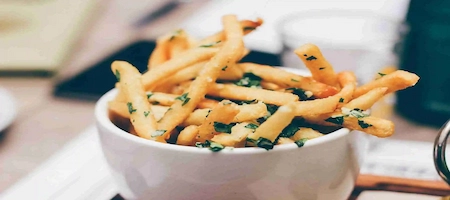
Vienna offers many excellent places to eat, but the “best” choice changes with timing, appetite, location, and travel style. A well-known restaurant near the historic center may be practical after sightseeing. A smaller neighborhood venue may provide a calmer atmosphere. A market may be more useful than either when the day is intentionally flexible.
Before choosing a venue, ask four questions:
Do you want traditional Viennese food, coffee and cake, international food, or a drink-focused evening?
Is the meal the main experience, or does it need to fit efficiently between nearby attractions?
Would you prefer a polished historic setting, a casual market, or a more local neighborhood atmosphere?
Does the restaurant need a reservation, or should the meal remain flexible?
These questions are more useful than choosing every meal from a generic “top restaurants” list. They also make it easier to adapt when weather, energy, queues, or attraction timing changes during the day.
Best Types of Places to Eat in Vienna
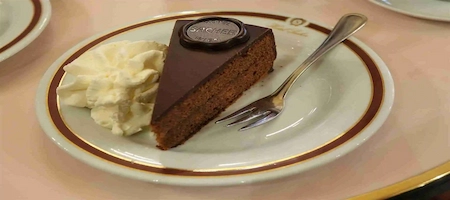
Vienna’s dining culture is a collection of different formats. Each one supports a particular pace, appetite, and kind of city experience.
Traditional dining
Viennese restaurants and Beisln
Choose this category for Wiener Schnitzel, Tafelspitz, goulash, seasonal dishes, and a complete savory meal. A Beisl is typically more down-to-earth and tavern-like than a formal restaurant.
Best for: first classic meal, heritage food, colder evenings
Cultural pause
Historic cafés and coffeehouses
Coffeehouses combine drinks, cakes, table service, interiors, and the freedom to sit without rushing. Some also serve breakfast or savory meals, but the atmosphere remains central.
Best for: museum breaks, rainy days, coffee and cake
Sweet priority
Pastry shops and dessert cafés
Use a focused pastry stop for Sachertorte, Apfelstrudel, cakes, or seasonal sweets. This works better than automatically adding dessert after every large restaurant meal.
Best for: dessert lovers, shorter stops, sharing
Flexible eating
Markets and casual food stops
Markets, bakeries, sausage stands, and casual counters are useful when you want variety, lighter portions, or a meal that does not control the entire itinerary.
Best for: flexible schedules, lighter lunch, budget awareness
Drink-led evening
Wine bars and Heurige
A wine bar fits naturally into the center, while a Heuriger can turn the evening into a wider local outing toward Vienna’s wine-growing areas.
Best for: local wine, couples, relaxed evenings
Contemporary Vienna
Modern and design-led dining
Modern Austrian cooking, international influences, bistronomy, specialty coffee, and stylish neighborhood venues show that Vienna’s food scene is not limited to imperial nostalgia.
Best for: repeat visitors, creative dining, modern atmosphere
Dining tip: Do not choose six versions of the same experience. A grand café, neighborhood Beisl, market lunch, and modern dinner will teach you more about Vienna than four similar central restaurants.
Where to Eat Traditional Viennese Food
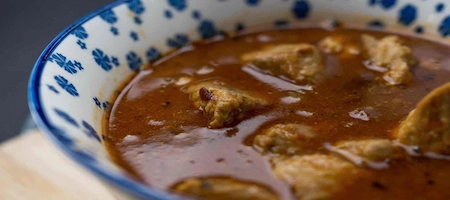
For traditional Viennese food, look first at the type of restaurant, the depth of the menu, and whether the setting matches the meal you want.
Choose a Viennese restaurant or Beisl
A traditional restaurant is the most straightforward choice for Wiener Schnitzel, Tafelspitz, goulash, boiled-beef dishes, and other local specialties. A classic Beisl often feels more informal, with straightforward service, a tavern atmosphere, and a menu grounded in Viennese cooking.
The Innere Stadt contains convenient and polished options, especially for travelers who want dinner near the Hofburg, Opera, or Stephansplatz. Traditional food also appears beyond the most visited center, where neighborhood venues may feel less ceremonial and more connected to everyday dining.
If you only plan one classic meal, choose the dish and setting in advance. Wiener Schnitzel offers the most recognizable introduction; Tafelspitz suits a slower heritage-focused meal; goulash or another warming dish works naturally in cooler weather.
Central location does not automatically mean poor quality, and a residential address does not automatically guarantee authenticity. Judge each place by its menu, atmosphere, practical fit, and current information. Travelers with allergies or dietary requirements should confirm ingredients and preparation directly with the venue because traditional recipes may vary.
Historic sightShort walkTraditional lunch or dinnerEvening city atmosphere
Where to Go for Vienna’s Café Culture
Coffeehouses are part of Vienna’s social and cultural identity. They should be planned as experiences, not treated only as places to buy a quick drink.
Choose a historic coffeehouse when the room matters
A traditional coffeehouse works especially well after a museum, during a city-center walk, or as an indoor pause in poor weather. Allow enough time for table service and the slower rhythm that defines the experience.
Choose this format when you want a Melange, cake, polished interiors, conversation, or a quiet interval between major sights. Some coffeehouses also serve breakfast and savory food, but check current menus and kitchen hours if you want a full meal.
Choose a pastry café when dessert is the priority
A pastry-focused stop is better when Sachertorte, Apfelstrudel, or another cake matters more than a long cultural visit. Neighborhood cafés and modern specialty coffee shops can be stronger choices when you value coffee quality, a contemporary atmosphere, or a shorter break.
Compare styles in the Vienna coffee culture and iconic cafés guide and the shorter guide to the best cafés in Vienna for coffee lovers.
First-time visitors do not need to queue for every famous café. Choose one iconic coffeehouse because its history or interior matters to you, then use smaller cafés near the neighborhoods and attractions already in your plan. This protects time while revealing more than one version of Vienna café culture.
Best Areas and Neighborhoods for Eating in Vienna
Dining atmosphere changes as you move from the imperial center to market districts, creative neighborhoods, shopping streets, and the city’s wine-growing edge.
01
Innere Stadt and the Old Town
Best for famous coffeehouses, traditional restaurants, polished dining, pastries, and meals that fit directly beside central sightseeing.
Choose it for convenience and a classic first impression.
02
Naschmarkt and Freihausviertel
Best for market browsing, casual food, international variety, restaurants, cafés, and an energetic transition between the center and local districts.
Choose it for flexibility and culinary variety.
03
Neubau and Spittelberg
Best for creative cafés, modern restaurants, smaller streets, bars, and a more relaxed evening close to MuseumsQuartier.
Choose it for contemporary atmosphere and neighborhood character.
04
Mariahilf and Mariahilfer Strasse
Best for practical lunch, café breaks, shopping-day food, side-street restaurants, and an easy route toward Naschmarkt or Neubau.
Choose it for casual eating between shopping and sightseeing.
05
Leopoldstadt and Karmeliterviertel
Best for a market-centered neighborhood experience, local cafés, relaxed restaurants, and a less formal side of Vienna beyond the Old Town.
Choose it for local atmosphere without traveling far outward.
06
Döbling, Grinzing, and Nussdorf
Best for vineyards, Heurige, Viennese wine, shared food, and an evening that feels separate from the palace-and-museum itinerary.
Choose it for wine culture and a slower local outing.
Use the guide to Vienna’s neighborhoods and local areas to compare the wider atmosphere of these districts. For a shopping-and-café afternoon, the Mariahilfer Strasse guide explains how the main street connects with side roads, museums, food stops, and Naschmarkt.
Food Markets, Casual Bites, and Local Food Stops
Not every meal in Vienna should be a formal restaurant reservation. Markets and casual stops provide flexibility, contrast, and an easier way to respond to appetite during a busy day.
Flexible Vienna food experience
Market first, menu second
Browse before choosing. A market works best when curiosity is allowed to shape the meal.
When a market makes more sense than a restaurant
You want a lighter or quicker lunch between attractions.
Your group wants different foods rather than one shared restaurant style.
You prefer browsing, ingredients, and local street atmosphere.
The day needs flexibility because museum or palace timing may change.
You want to balance a formal dinner with a more casual midday meal.
Naschmarkt is Vienna’s best-known market and combines stalls, ingredients, restaurants, and international food. A first visit works well as a daytime walk rather than a rushed pass-through immediately before closing.
The Naschmarkt and Viennese Food Culture audio guide connects the market with the city’s culinary history in a self-guided format.
Bakeries, sausage stands, food counters, and simple lunch menus can be equally useful. Choose them when sightseeing is the main event and the meal needs to be satisfying without occupying several hours. Budget-conscious travelers can combine one important traditional dinner with casual lunches and neighborhood café stops; the Vienna travel budget guide provides a wider planning framework.
Where to Eat in Vienna for First-Time Visitors
A first trip does not require a complicated restaurant schedule. Four well-chosen experiences are enough to understand the main character of Vienna’s food culture.
Experience one
Traditional meal
Choose Wiener Schnitzel, Tafelspitz, goulash, or another Viennese specialty in a restaurant that suits your preferred level of formality.
Experience two
Coffeehouse
Allow time for a Melange, the interior, and an unhurried pause instead of using the café only as a quick caffeine stop.
Experience three
Dessert
Try Sachertorte, Apfelstrudel, Kaiserschmarrn, or a seasonal pastry on a different day from your heaviest meal.
Experience four
Local and casual
Add a market, bakery, sausage stand, neighborhood lunch, or wine-focused evening for contrast and spontaneity.
If you have only one day, prioritize a traditional lunch or dinner plus a coffeehouse. With two or three days, add Naschmarkt, a neighborhood restaurant, and a second café with a different atmosphere. Travelers staying longer can dedicate an evening to a Heuriger or explore districts beyond the central food circuit.
Short-trip rule: Reserve the one meal you care about most. Keep the rest flexible and close to the attractions already in your itinerary.
How to Match Dining Choices to Your Travel Style
The right dining plan changes with budget, pace, interests, and how central food is to the trip.
Traditional food lovers
Use restaurants and Beisln
Choose one famous classic, then a less formal neighborhood meal. Compare how Vienna’s heritage appears in different settings.
Café and dessert lovers
Build around afternoon pauses
Pair one grand coffeehouse with a pastry-focused café and a modern coffee stop rather than repeating the same order.
Local-atmosphere seekers
Leave the ceremonial center
Use Karmeliterviertel, Neubau, Mariahilf, or a wine area to add neighborhood rhythm to the classic city-center experience.
Budget-conscious travelers
Protect one important meal
Balance a traditional restaurant or famous café with bakeries, markets, lunch menus, and casual counters.
Short stays
Choose by location
Keep lunch and coffee close to the Old Town, Hofburg, Opera, museums, or palace route already planned for that day.
Slow city breaks
Let food define the day
Plan a market morning, long coffeehouse pause, neighborhood walk, or Heuriger evening as a complete experience.
What to Eat and Drink Depending on Where You Go
Restaurants, coffeehouses, markets, and wine taverns are not interchangeable. Use each at the moment when its format improves the day.
Morning
Bakery or café
Keep breakfast simple before major sightseeing, or make a historic coffeehouse the morning attraction when its atmosphere is a priority.
Midday
Market or lunch menu
Choose a lighter, flexible meal if the afternoon includes a palace or large museum. Choose a traditional restaurant if dinner will be casual.
Afternoon
Coffee and dessert
Use this as a true rest period after walking. Select one cake or pastry and allow enough time to enjoy the coffeehouse rather than rushing onward.
Evening
Restaurant, wine bar, or Heuriger
Make the evening more intentional: a classic meal in the center, modern neighborhood dining, or a wine-focused outing toward Vienna’s greener edge.
Food and drink pair most naturally when the venue leads the choice. Coffee belongs with a café pause; local wine makes sense in a wine bar or Heuriger; beer can suit a Beisl or casual meal; market food benefits from flexible tasting rather than a rigid multi-course plan.
How to Fit Food Stops Into a Vienna Itinerary
Meals work best as geographic and emotional anchors. They divide long sightseeing days into manageable sections and reduce unnecessary travel when chosen near the right attractions.
Old Town and Hofburg day
Use a central coffeehouse between Stephansplatz and the imperial area, then choose a traditional dinner near the Opera, Hofburg, or the streets already on your route.
Museum and market day
Combine MuseumsQuartier, Secession, or Karlsplatz with Naschmarkt and Freihausviertel. Keep lunch flexible and reserve the evening only if needed.
Neighborhood and wine day
Use a local café or market during the afternoon, then continue toward a wine tavern or relaxed neighborhood dinner without adding another major museum.
The Vienna City Center Walking Guide helps connect Stephansplatz, Graben, Hofburg, and the Opera with practical café and meal breaks. For a complete short-trip structure, use the 3 days in Vienna itinerary.
Reserve fixed-time dinners only when the restaurant is a genuine trip priority.
Keep lunch flexible on palace and museum days because visits may take longer than expected.
Place coffee after the most walking-intensive part of the route.
Avoid crossing the city only for an ordinary meal when a suitable neighborhood option is nearby.
Check current opening days, kitchen hours, holiday schedules, and reservation policies directly.
Continue with the complete Vienna Travel Guide for transport, trip length, neighborhoods, seasons, budgeting, and broader itinerary decisions. The best things to do in Vienna page can help you select the attractions around which meals should be planned.
Make Sightseeing Easier with the Vienna E-pass
Food experiences become more enjoyable when the attraction side of the day is organized clearly. Vienna E-pass brings participating sights and experiences into one digital product, reducing the need to manage every included entry as a separate purchase.
This can make it easier to keep realistic lunch breaks, protect time for coffeehouses, and leave part of the afternoon open for markets or neighborhood dining. The current attraction collection also includes the Naschmarkt and Viennese Food Culture audio guide, which can support a food-focused day.
Explore Vienna E-pass Attractions
Continue Your Vienna Food Planning
Use these published Vienna E-pass guides to move from dining orientation into specific food, café, market, neighborhood, and itinerary decisions.
Final Thoughts on Where to Eat in Vienna
The best place to eat in Vienna is the one that matches the experience you want at that point in the trip. Choose a traditional restaurant for a complete local meal, a coffeehouse for cultural atmosphere, a market for flexibility, a neighborhood venue for a more everyday feeling, and a wine tavern when the evening should become an excursion of its own.
For most first-time visitors, the ideal plan is a balanced one: one important traditional meal, one unhurried coffeehouse, one dedicated dessert, and one casual or local experience. Keep the famous places that genuinely interest you, but leave enough freedom to discover Vienna through the area you are already exploring.
Return to the Vienna Food and Drinks Guide for the full culinary overview, or use the Vienna Travel Guide to connect dining with sightseeing, transport, neighborhoods, and realistic daily planning.