Practical Vienna Budget Planner
A realistic Vienna travel budget depends less on one universal daily figure and more on how you choose accommodation, meals, transportation, paid attractions and optional experiences.
This guide helps you identify the expenses that matter, compare different travel styles and spend more intentionally without removing the experiences that make Vienna worth visiting.
Continue to the Vienna Travel Guide
Biggest fixed cost
Accommodation and location
Easiest category to control
Meals, cafés and optional extras
Best budgeting method
Match spending to your itinerary
Smartest sightseeing balance
Selected paid sights plus free experiences
Is Vienna Expensive for Tourists?
Vienna can feel expensive when a trip combines central accommodation, several major ticketed attractions, formal meals and frequent café visits. However, the city can also work well for budget-conscious travelers because many important streets, parks, palace grounds, markets and architectural sights can be experienced without admission.
The most practical approach is to choose the paid experiences that matter most, group them into efficient routes and use free or lower-cost activities between them.
Is Vienna Expensive for Tourists?
Vienna does not have one standard cost for every visitor. Two travelers can follow similar sightseeing routes while spending very different amounts because of their accommodation, restaurant choices and approach to paid attractions.
A centrally located hotel may cost more but reduce daily transportation needs. Staying farther from the historic center may lower the room rate, although you should then account for additional travel time and public transport use.
Food costs also vary widely. A formal traditional dinner, dessert in a famous historic coffeehouse and several drinks can create a significantly different day from a market lunch, bakery stop and casual neighborhood meal.
Vienna remains accessible to budget-conscious visitors because its public spaces are a major part of the experience. Historic streets, Hofburg courtyards, Ringstrasse architecture, parks and public palace grounds can all add value to an itinerary without requiring a ticket.
Use the guide to
free things to do in Vienna
to identify worthwhile experiences that can balance your paid sightseeing.
What You’ll Usually Spend Money on in Vienna
Breaking your budget into categories is more useful than relying on a generic daily average. It shows which expenses are fixed and which can be adjusted after arrival.
1
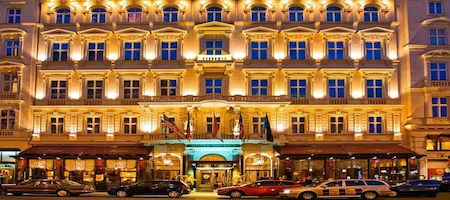 Accommodation
Accommodation is normally the largest fixed part of a Vienna trip. Your total depends on travel dates, hotel style, room type, booking flexibility and distance from the historic center.
Compare the full value of each location. A slightly higher room rate near a useful walking route or U-Bahn station may reduce transportation time and make short stays more efficient.
2
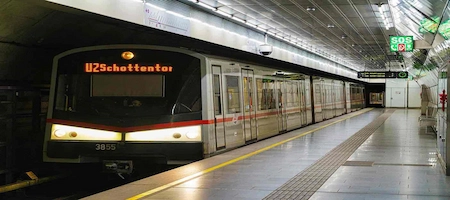 Transportation
Transportation spending depends on where you stay and how your itinerary is organized. Visitors based centrally may walk for much of the day, while travelers staying farther away may use the U-Bahn or tram regularly.
Airport transportation should be calculated separately because the airport is outside the standard central sightseeing area.
3
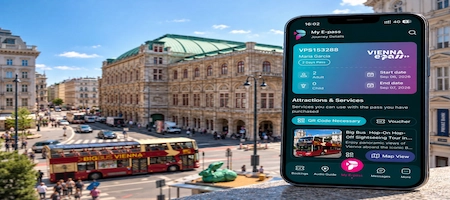 Attractions
Palaces, museums, towers, tours and performances can become one of the largest variable expenses. Decide which interiors and cultural experiences are genuinely important before purchasing tickets.
Attraction spending should be connected to available time. Paying for more admissions than you can comfortably use does not create better value.
4
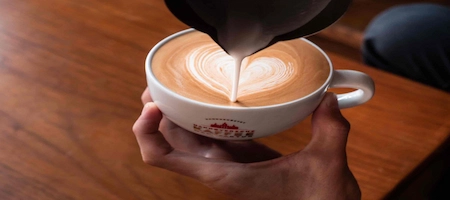 Food and Coffeehouses
Vienna offers formal restaurants, historic coffeehouses, market dining, bakeries and casual neighborhood options. A balanced budget can include one important traditional meal or café experience alongside simpler lunches.
Famous central cafés may cost more than neighborhood alternatives. Treat an iconic coffeehouse as a cultural experience rather than automatically using famous cafés for every break.
5
 Optional Extras
Airport transfers, guided tours, concerts, shopping, nightlife and spontaneous purchases are easy to overlook when building a daily budget.
Create a separate allowance for optional experiences. This prevents one special evening or shopping stop from affecting the money reserved for essential sightseeing.
Where Most Travelers Overspend
- Booking more major attractions than the itinerary can realistically accommodate.
- Crossing Vienna repeatedly instead of grouping sights by location.
- Using taxis for journeys that could be completed easily by public transport.
- Choosing every meal and café break in the busiest tourist areas.
- Buying a sightseeing or transportation product without comparing it with the actual itinerary.
- Ignoring small extras such as luggage storage, snacks, drinks and airport transportation.
Vienna Daily Budget by Travel Style
Instead of beginning with a fixed amount, identify which of these travel styles is closest to your plans. You can then add your verified accommodation rate and current ticket costs.
Spend carefully
Budget Traveler
- Hostel, guesthouse or simple room outside the most expensive central streets.
- Walking combined with carefully selected public transport.
- Market food, bakeries, casual lunches and self-catering where practical.
- One carefully selected paid attraction mixed with free activities.
- Limited shopping and planned optional extras.
Balanced spending
Mid-Range Traveler
- Comfortable hotel with practical transport connections.
- Regular public transportation combined with central walking.
- A mix of casual meals, traditional food and one notable café stop.
- One or two paid attractions on a normal sightseeing day.
- Room for a concert, tour or memorable evening experience.
Experience-led
Comfort Traveler
- Central or higher-category accommodation.
- Public transport supported by taxis when convenience matters.
- Traditional restaurants, celebrated cafés and more flexible dining.
- Several major attractions, tours or reserved cultural experiences.
- Additional allowance for shopping and premium activities.
Calculate accommodation separately first because it is normally booked in advance. Then build the adjustable part of your daily budget around food, transportation, admissions and optional experiences.
Money-Saving Tips for Vienna
1
Use Free and Low-Cost Attractions
Vienna’s architecture and public spaces make it possible to build a meaningful sightseeing day without paying for every stop. Explore the historic center, public parks, palace grounds, market areas and major landmark exteriors.
- Walk through Stephansplatz, Graben and Kohlmarkt.
- Explore Hofburg courtyards and nearby public spaces.
- See the grand architecture along the Ringstrasse.
- Visit Burggarten, Stadtpark or public areas around Schönbrunn.
- Enjoy an evening walk through illuminated central streets.
Best approach: Use free experiences to connect the paid attractions that matter most rather than filling the schedule with low-priority ticketed stops.
2
Walk More in Central Vienna
Many major attractions in the historic center are close enough to connect on foot. St. Stephen’s Cathedral, Graben, Hofburg, Albertina and the Vienna State Opera can form part of one central route.
Walking reduces unnecessary transportation and also reveals architecture, courtyards and small streets that are easily missed when traveling underground.
Route tip: Travel to one part of Vienna by public transport, explore that area on foot and avoid repeated journeys across the city.
3
Use Public Transport Strategically
Do not automatically purchase the longest available transportation option. First consider your hotel location, number of sightseeing days and planned journeys outside the historic center.
The U-Bahn is useful for longer trips such as reaching Schönbrunn, while trams can provide direct connections between central and surrounding areas. Walking may still be faster for short journeys within the same district.
Children through age six generally travel free on Vienna public transportation. Children under 15 may also travel free on Sundays, public holidays and during official Vienna school holidays, subject to the current conditions and required proof of age.
Ticket types, age rules and conditions can change. Confirm the current eligibility and validation requirements before traveling.
Continue with the complete guide to
how to get around Vienna.
4
Decide Whether a City Card Fits Your Trip
A city card is useful only when its transportation access, discounts or included attractions match the experiences you already intend to use.
The Vienna City Card is generally structured around Vienna public transportation and attraction discounts. The Vienna E-pass follows a broader all-inclusive attraction model with hop-on hop-off sightseeing, while regular public transportation may require an optional addition.
These products solve different planning problems. Compare their current conditions with individual tickets and your real itinerary before deciding.
Decision rule: Do not add attractions to justify a card. Choose the attractions first, then see whether a card improves the cost or convenience of that plan.
5
Mix Paid Highlights with Free Experiences
A balanced sightseeing day might include one palace or museum, a free walking route, a public park and an evening landmark walk. This creates variety while protecting both your budget and energy.
- Combine Hofburg attractions with free courtyards and central streets.
- Pair a Belvedere visit with nearby architecture and public spaces.
- Follow a museum with a walk through MuseumsQuartier courtyards.
- Combine Schönbrunn admission with time in accessible outdoor areas.
Find more planning options in the guide to the
best things to do in Vienna.
6
Eat Smart Without Missing Vienna’s Food Culture
Saving money on food does not require skipping Vienna’s culinary traditions. Choose the food experiences that matter most and simplify the meals around them.
- Plan one traditional restaurant meal instead of choosing formal dining every evening.
- Use bakeries, market restaurants and casual local stops for simpler lunches.
- Visit one famous historic coffeehouse as a cultural experience.
- Choose neighborhood cafés for other coffee and pastry breaks.
- Review menus before sitting down when budget control matters.
Explore different café styles with the guide to
Vienna coffee culture and iconic cafés.
How to Save Money on Attractions in Vienna
Attraction spending should begin with your priorities. List the palace, museum, historic site, viewpoint or performance that would genuinely disappoint you to miss. Compare ticket options only after creating this list.
Choose individual tickets when:
You plan to visit only one or two paid attractions, prefer a flexible itinerary or want to spend most of your time walking and exploring public spaces.
Consider a discount-focused city card when:
You expect to use public transport frequently and the available discounts match several attractions already included in your plan.
Consider an all-inclusive sightseeing pass when:
You have an attraction-heavy itinerary and enough time to use the included experiences without rushing between them.
Consider the Vienna E-pass when:
Its current included attractions match your itinerary and you want a simpler way to organize several sightseeing admissions.
The Vienna E-pass is commonly positioned as an all-inclusive product offering admission to a large collection of sights and hop-on hop-off transportation. Regular Vienna public transportation should be checked separately because it is not necessarily included in the standard product.
Product inclusions and conditions can change. Always compare the current attraction list with the number of visits you can realistically complete.
Budget Tips for Families Visiting Vienna
Plan Around Eligibility, Energy and Pacing
Family budgeting should consider more than the total ticket price. Transportation rules, child admission policies, meal timing and how many attractions children can comfortably enjoy all affect the real value of the day.
Public transportation
Children through age six generally travel free. Additional free-travel periods may apply to children under 15 on Sundays, public holidays and during Vienna school holidays.
Museum admission
Some museums and cultural attractions provide free or reduced admission for children and young visitors. Age limits differ, so check each attraction individually.
Realistic pacing
One major paid attraction followed by a park, playground or free outdoor experience may provide better value than several admissions in one day.
Food planning
Carry water and simple snacks where appropriate, plan meal breaks before children become tired and avoid relying only on restaurants beside major attractions.
A family does not save money by purchasing more attraction access than the children have the energy to use. Build the schedule around realistic attention spans and protect time for free outdoor breaks.
How to Build a Realistic Vienna Budget Before You Go
Your budget should reflect your itinerary rather than a generic daily average. Start with the fixed expenses, then add realistic variable costs.
1
Choose your travel style.
Decide whether the trip will be budget-focused, mid-range or experience-led. This creates the framework for accommodation and dining choices.
2
Add the verified accommodation cost.
Include local fees, breakfast conditions and cancellation terms where relevant.
3
Map each sightseeing day.
Identify which attractions require admission and which parts of the route can be experienced freely.
4
Estimate transportation needs.
Consider hotel location, airport travel and the number of journeys outside the walkable center.
5
Choose your important food experiences.
Reserve space for a traditional meal or historic coffeehouse, then plan simpler options around it.
6
Add optional experiences separately.
Concerts, tours, shopping and nightlife should have their own allowance instead of being hidden inside the food or attraction budget.
7
Include a small contingency.
Leave room for schedule changes, additional transportation, spontaneous stops and small unexpected expenses.
Use These Vienna Guides to Finalize Your Budget
Make Sightseeing Spending Easier to Plan with the Vienna E-pass
The Vienna E-pass can be useful for travelers building an attraction-heavy itinerary. Its practical value depends on whether the currently included attractions match the places you already intend to visit.
- Bring several attraction plans together in one place.
- Reduce the friction of managing separate admissions.
- Group included attractions into efficient daily routes.
- Make attraction spending easier to review before the trip.
- Protect more time for free walks, cafés and local experiences.
Avoid making a universal savings assumption. Compare the current inclusions, entry arrangements and your available sightseeing time before deciding.
The Vienna E-pass is an attraction-planning product and should not be treated as a replacement for regular Vienna public transportation unless its current product details specifically state otherwise.
View Vienna E-pass Attractions
Final Thoughts on Budgeting for Vienna
Vienna can be planned at several budget levels. Accommodation, major attractions and formal dining can increase costs quickly, but walking routes, public spaces, markets, parks and carefully selected paid experiences make a more controlled trip completely realistic.
Start with the attractions and food experiences that genuinely matter to you. Then use free sightseeing, efficient routes and simpler meals to support those priorities.
The best Vienna travel budget is not automatically the lowest one. It is the budget that allows you to enjoy your chosen experiences without paying for activities you do not have time or energy to use.
Continue with the
Vienna travel guide
or turn your spending plan into a realistic schedule with the
3 days in Vienna itinerary.
Transportation rules, attraction prices, age policies, card benefits and admission conditions can change. Confirm current information before purchasing tickets or finalizing your travel budget.