Local flavors, flexible lunches and everyday Vienna
Vienna’s markets bring produce, casual food, neighborhood life and international flavors into one easy experience. This guide helps you choose the right market—and use it as part of a realistic sightseeing day.
Food markets reveal a side of Vienna that formal restaurants and landmark cafés cannot show on their own. They are places to browse, eat, shop, watch the neighborhood move and discover how local and international food cultures meet in the city.
They are also practical. A market lunch can fit between museums, a Saturday farmers’ market can anchor a neighborhood morning, and an indoor market can rescue a cold or rainy day. With the Vienna E-pass organizing major attraction visits, a market becomes an easy pause rather than another difficult reservation.
Best first marketNaschmarkt for range and easy sightseeing
Best local atmosphereBrunnenmarkt and Yppenplatz
Best compact visitKarmelitermarkt or Rochusmarkt
Best timingMorning through lunch; Saturday for extra activity
Why Vienna’s Food Markets Are Worth Visiting
They combine food with city exploration
A market visit can be breakfast, lunch, neighborhood sightseeing and a shopping stop in the same hour or two. Unlike a formal restaurant, it gives groups room to browse before deciding what they want.
Vienna’s markets range from the famous and international to compact neighborhood suppliers. That variety means the “best” market depends on whether you want a first-time highlight, local atmosphere, regional produce, an indoor option or a convenient stop near another attraction.
What to Expect at a Vienna Food Market
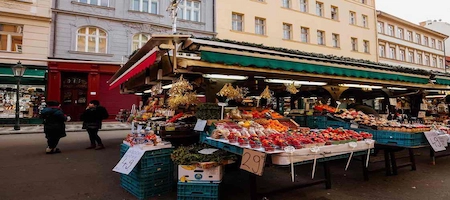
Expect a blend of produce stalls, specialist food sellers, takeaway counters and places to sit down. The exact balance changes from market to market: some feel like dining destinations, while others remain more clearly connected to everyday grocery shopping.
Mornings are best for produce, a calmer browse and local routine. Lunch brings more energy to markets with restaurants and prepared food. Saturdays can be especially lively, with farmers’ stalls or additional market activity at selected locations. Individual businesses may keep different hours from the market itself, so check current details before building the whole day around one vendor.
The Best Food Markets in Vienna
01Best known forRange, restaurants and first-time appeal
Naschmarkt
Naschmarkt is Vienna’s most famous market and the easiest starting point for visitors. It combines produce, delicacies, international ingredients, casual counters and numerous places to eat, all in a central location between Karlsplatz and Kettenbrückengasse.
Choose it when you want variety and a market that can function as a destination. It is lively rather than hidden, and the restaurant side may feel more visitor-oriented than a small neighborhood market. The Saturday flea market adds another layer for travelers who enjoy browsing beyond food.
First-time visitorsLunchInternational varietyEasy central route
02Best known forInternational street-market energy
Brunnenmarkt and Yppenplatz
Brunnenmarkt stretches through Ottakring with a strong multicultural character, abundant produce, spices and food from many traditions. Around Yppenplatz, cafés and restaurants give the market area a social, creative atmosphere.
This is a better choice than Naschmarkt if your priority is neighborhood energy rather than central convenience. Allow time to walk the length selectively, browse and settle near Yppenplatz instead of trying to inspect every stall.
Local atmosphereMulticultural foodNeighborhood afternoonPhotography and people-watching
03Best known forCompact market and relaxed district feel
Karmelitermarkt
Karmelitermarkt sits in the second district, close enough to follow a city-center morning but distinct enough to feel like a neighborhood change. Its market stalls, restaurants and Saturday farmers’ activity make it useful for a relaxed brunch or lunch.
Choose it when you want a manageable market that does not consume half the day. It combines well with Leopoldstadt, the Danube Canal or a walk beyond the historic core.
CouplesRelaxed lunchSaturday visitShort transfer from center
04Best known forIndoor shopping and everyday use
Meiselmarkt
Meiselmarkt is distinctive because the market is fully housed inside a building. Its offer includes fruit, vegetables, baked goods, meat, fish and other everyday products, with a family-style reputation rather than the appearance of a polished tourist attraction.
It suits travelers who want an indoor option, are staying in the western districts or enjoy seeing how residents shop. It is not the first market to choose for monumental sightseeing, but it gives a grounded contrast to the formal center.
Indoor marketRainy dayEveryday ViennaWestern districts
05Best known forRegional products and polished neighborhood mood
Kutschkermarkt
Kutschkermarkt in the eighteenth district is a compact street market known for high-quality products, delicacies and a Saturday farmers’ market with regional goods. Cafés and restaurants around it turn a shopping stop into a slower neighborhood visit.
Choose it for quality-focused browsing, a calmer weekend morning or an outing away from the tourist center. It works particularly well for travelers who value produce, bread, cheese and thoughtful small-scale food shopping.
Quality produceSaturday farmers’ marketFamiliesSlower pace
06Best known forConvenient local shopping and flowers
Rochusmarkt
Rochusmarkt in the third district remains an important local supplier, with food stalls and a noticeable flower-market character. Its compact scale and position beside a busy shopping street make it easy to combine with errands, lunch or sightseeing in Landstraße.
It is most useful when your itinerary already includes the area. Think of it as a pleasant local stop rather than a market that must replace Naschmarkt on a first visit.
Compact visitFlowers and foodLandstraße routeLocal shopping
Which Vienna Market Is Best for Your Travel Style?
First-time visitorNaschmarkt
The widest range and easiest link to central sightseeing make it the simplest introduction.
Local-atmosphere seekerBrunnenmarkt
Choose it for multicultural street life, neighborhood energy and the social area around Yppenplatz.
Couple or slow travelerKarmelitermarkt
Its compact size and surrounding restaurants support a relaxed brunch or lunch without itinerary stress.
Rainy-day visitorMeiselmarkt
The indoor setting makes it practical when weather reduces the appeal of an open-air market walk.
Quality-focused shopperKutschkermarkt
Go for delicacies, regional produce and the stronger Saturday farmers’ market atmosphere.
Short neighborhood stopRochusmarkt
Best when you are already in Landstraße and want food, flowers and local rhythm in a compact visit.
Is Naschmarkt the Best Market for First-Time Visitors?
Usually yes—when convenience and variety matter
Naschmarkt is the strongest all-purpose choice for a first Vienna trip. Its central position, broad food range and many eateries make it easy to understand without advance planning. It can be a quick browse, a full lunch or part of a wider walk.
However, it is not automatically the best market for every traveler. Choose Brunnenmarkt for stronger neighborhood energy, Karmelitermarkt for a compact relaxed visit, Kutschkermarkt for a quality-focused Saturday, or Meiselmarkt for an indoor local-shopping experience.
See the Naschmarkt food audio guide
Markets, Restaurants and Coffeehouses: Which Should You Choose?
A market is not a cheaper version of a restaurant, and a coffeehouse is not simply a dessert counter. Each format has a different role in the Vienna experience.
Choice
Best for
Typical pace
Main advantage
Food market
Variety and flexible lunch
Browse, taste and move
Multiple options in one area
Traditional restaurant
Classic Viennese main dishes
Structured sit-down meal
Complete culinary experience
Coffeehouse
Coffee, cake and atmosphere
Slow cultural pause
Rest between attractions
Casual local stop
Fast snack or simple meal
Short and adaptable
Easy fit on busy days
For help choosing among these formats, continue to where to eat in Vienna.
What to Eat at Vienna’s Food Markets
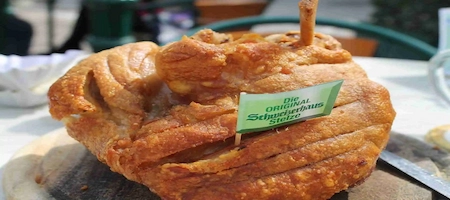
There is no single “market dish” that every visitor must order. The most useful approach is to match food to the specific market and to what looks fresh, active and appropriate for the time of day.
Breakfast and baked goods
Bread, pastries, coffee and simple breakfast dishes suit an early market visit, especially on Saturday when local shoppers are already active.
Cheese, cured meat and produce
Specialist stalls are ideal for picnic ingredients, edible gifts or a light meal. Ask whether products are suitable for travel before packing them.
International casual food
Naschmarkt and Brunnenmarkt are particularly useful for international flavors. This reflects Vienna’s present-day food culture as much as traditional dishes reflect its history.
Market restaurant lunch
Choose a seated meal when the market itself is the day’s main food experience. Check whether the restaurant serves continuously or follows specific kitchen hours.
Seasonal ingredients
Fruit, vegetables, mushrooms, preserves and regional goods make the visit feel connected to the season. Availability naturally changes throughout the year.
Austrian wine or specialty drinks
Some markets include wine-focused stands or bars. Treat them as an optional local layer, not a requirement for enjoying the market.
Food Markets in Vienna for First-Time Visitors
On a short trip, choose one market that fits the existing route. Naschmarkt is the easiest default, but Karmelitermarkt may be more rewarding if your day already reaches Leopoldstadt, while Rochusmarkt makes sense near Landstraße.
Allow roughly one hour for a browse and snack, or up to two hours for a full lunch and slower exploration. Do not schedule a market, a traditional restaurant and a major coffeehouse back-to-back; the food experiences will compete with one another.
Travelers building their first food plan can continue with the Vienna Food and Drinks Guide and the practical 3 days in Vienna itinerary.
How to Add a Food Market to a Vienna Itinerary
Central day
Naschmarkt after Karlsplatz
Use the market for lunch after nearby architecture, museums or a city-center walk. Continue toward Mariahilf rather than returning across the same ground.
Local day
Brunnenmarkt with Ottakring
Make the neighborhood the purpose of the outing. Browse the street market, pause near Yppenplatz and avoid rushing back to the first district immediately.
Relaxed day
Karmelitermarkt with Leopoldstadt
Combine a late breakfast or lunch with neighborhood walking, the Danube Canal or a wider second-district route.
Wet-weather day
Meiselmarkt as an indoor stop
Pair the covered market with nearby transport and an indoor attraction rather than treating it as a full-day destination.
Saturday
Choose farmers’ market energy
Kutschkermarkt and Karmelitermarkt gain extra appeal from Saturday producers, while Naschmarkt’s flea market creates a busier, broader browsing experience.
For route context, use the Vienna neighborhoods and local areas guide or the broader Vienna Travel Guide.
Make Sightseeing and Market Time Easier with the Vienna E-pass
Markets are most enjoyable when they are not squeezed between separate ticket purchases and unnecessary cross-city journeys. The Vienna E-pass can simplify attraction planning, helping you group included experiences and protect time for a flexible market lunch.
Check the day’s attraction schedule first, select a market on the same side of the city, and keep enough buffer for browsing. This gives the market its proper role: a local experience, not merely a rushed food stop.
Explore Vienna E-pass attractions
1Group attractions before choosing a market.
2Check current market and vendor hours.
3Allow extra time on busy Saturdays.
4Keep one meal flexible for spontaneous finds.
Final Thoughts on Food Markets in Vienna
Vienna’s food markets are valuable because they combine flavor with movement, neighborhood character and everyday life. Naschmarkt provides the clearest first introduction, while Brunnenmarkt, Karmelitermarkt, Meiselmarkt, Kutschkermarkt and Rochusmarkt reward travelers with more specific interests.
Choose one market that fits your route and visit with enough time to browse before eating. Then use the Vienna Food and Drinks Guide to connect the market experience with traditional dishes, coffeehouses, desserts and local drinks.