Traditional Viennese cuisine brings together imperial history, Central European influences, restaurant rituals, coffeehouse culture and practical food designed to satisfy. This guide explains what the classics are—and which ones deserve a place in your trip.
Traditional Viennese Food to Try extends far beyond one schnitzel and one slice of chocolate cake. Vienna’s culinary identity includes gently simmered beef, paprika-rich stews, breaded cutlets, street-side sausages, shredded pancakes, fine pastry and the complete ritual of coffee and cake.
A first visit does not require tasting everything. The strongest approach is to choose one important savory meal, one sweet classic and one casual local stop, then allow the rest of the trip to remain flexible. The Vienna E-pass can simplify attraction-heavy sightseeing days, leaving clearer time for proper meals and slower café experiences.
Classic First MealWiener Schnitzel or Tafelspitz
Signature SweetApfelstrudel or Sachertorte
Casual Local StopA Vienna Sausage Stand
Best ApproachOne Meal, One Café, One Casual Bite
What Makes Viennese Food Traditional?
Viennese cuisine developed in a city shaped by the Habsburg Empire and by movement across Central and Eastern Europe. Ingredients, techniques and dishes arrived from different regions, then became part of everyday life in Vienna. Hungarian paprika, Bohemian pastries, Austrian beef traditions and urban coffeehouse culture all contributed to a cuisine that feels local precisely because it absorbed and refined so many influences.
Viennese food is also unusual because the cuisine itself is named after a city. Its identity is not limited to imperial dining rooms. It lives in formal restaurants, neighborhood Beisln, coffeehouses, pastry shops, markets and sausage stands. Each setting presents a different level of ceremony, cost and everyday character.
Imperial influenceVienna gathered dishes and techniques from the former crown lands, adapting them to the city’s restaurants and homes.
Urban dining cultureBeisln, coffeehouses and street stands made traditional food part of public city life rather than only private cooking.
Sweet and savory equalityPastry culture is not secondary. Desserts and sweet dishes carry as much cultural weight as many famous main courses.
Iconic, traditional, and everyday do not mean exactly the same thing
Wiener Schnitzel is both traditional and internationally iconic. Tafelspitz reflects a deeper boiled-beef tradition that many first-time visitors know less well. A sausage stand may be less ceremonial than either dish but can feel closer to everyday city life. A balanced food plan should include more than one of these perspectives.
This distinction prevents travelers from judging authenticity only by fame. A well-executed classic in the city center can be meaningful, while an obscure dish in a residential district is not automatically more authentic. Ingredients, preparation, setting and the way the meal fits the trip all matter.
Traditional Viennese Food to Try
The following dishes provide a practical introduction to Vienna’s culinary heritage. They cover substantial restaurant meals, coffeehouse sweets and casual food, allowing first-time visitors to choose according to appetite, schedule and travel style.
01Main dish
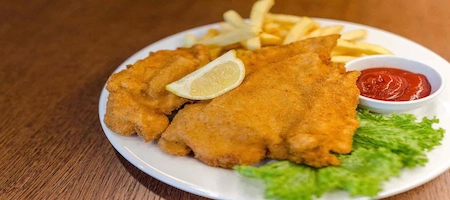
Wiener Schnitzel
Traditional Wiener Schnitzel is a thin veal cutlet coated in flour, egg and breadcrumbs, then fried until the breading becomes crisp, light and gently puffed away from the meat. It is commonly served with lemon and a simple accompaniment such as potato salad or parsley potatoes, although details vary by restaurant.
Its apparent simplicity makes preparation important. The cutlet should not feel heavy or saturated with oil. If the menu says “Schnitzel Wiener Art,” the meat is generally pork rather than veal; travelers who specifically want Wiener Schnitzel should check the wording.
Why it mattersVienna’s most recognizable savory classic
Best forA first traditional lunch or dinner
02Heritage meal
Tafelspitz
Tafelspitz is beef gently simmered with vegetables and aromatics, connected to Vienna’s deep tradition of boiled beef and broth. The meal may arrive in stages or with several accompaniments, often including horseradish-based and chive sauces, potatoes, vegetables or creamed spinach.
It is less instantly familiar than schnitzel but often more revealing for travelers interested in culinary history. Choose it when you have time for a slower meal and are comfortable asking how the restaurant recommends serving the different components.
Why it mattersA distinctly Viennese beef tradition
Best forHistory-minded diners and slower meals
03Comfort food
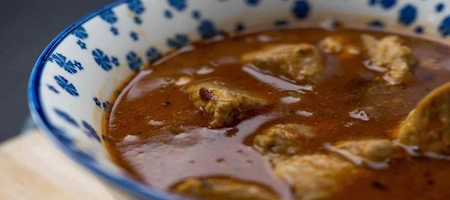
Wiener Saftgulasch
Viennese goulash reflects Hungarian influence but became firmly embedded in the city’s cuisine. Saftgulasch emphasizes tender beef and a generous, onion-rich paprika sauce. It is warming, savory and especially satisfying in cold or wet weather.
Variations may add dumplings, potatoes, bread or other accompaniments. Fiakergulasch is a more elaborate Vienna-associated version that may include sausage, a fried egg and a pickle. For a first try, a classic beef goulash offers the clearest introduction.
Why it mattersImperial-era influence turned local comfort food
Best forCool days and informal traditional dining
04Sweet dish
Kaiserschmarrn
Kaiserschmarrn is a fluffy pancake torn into pieces, browned and usually finished with powdered sugar. It is commonly served with a fruit accompaniment such as plum compote. The result sits between dessert, afternoon indulgence and a sweet meal.
Because the portion can be substantial, it is better treated as a planned dish rather than automatically added after a heavy dinner. Sharing works well when several people want to taste it without sacrificing the rest of the day to one meal.
Why it mattersAn imperial-style sweet classic with broad appeal
Best forSharing, families and a dedicated sweet stop
05Pastry classic
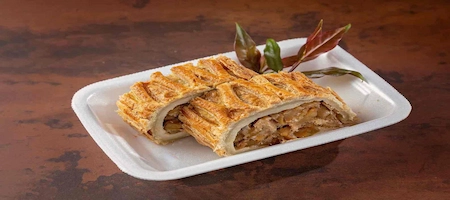
Apfelstrudel
Apfelstrudel wraps a spiced apple filling in very thin strudel pastry. Raisins, crumbs, nuts and seasoning vary by recipe, which is part of the dish’s character. A successful slice balances tender fruit with pastry that remains delicate rather than becoming heavy.
It fits naturally into a coffeehouse stop and often feels lighter than a dense chocolate cake. It may be served plain, warm, with vanilla sauce, or with another accompaniment depending on the establishment.
Why it mattersA central expression of Vienna’s pastry heritage
Best forCoffeehouse visits and travelers who prefer fruit
Sachertorte is a chocolate cake associated with Vienna, typically layered or coated with apricot jam and finished with chocolate glaze. It is traditionally served with unsweetened whipped cream, which balances the cake’s dense texture and sweetness.
Its fame makes it a natural first-trip choice, but travelers should treat it as one part of a much wider cake tradition. Choose it when the historic association matters to you, then consider a house specialty or seasonal pastry at the next café.
Why it mattersVienna’s most internationally famous cake
Best forA classic coffee-and-cake ritual
07Casual food
Viennese Sausages
Vienna’s sausage stands offer a direct, informal contrast to formal restaurants and coffeehouses. Common choices can include Käsekrainer, bratwurst, debreziner and other sausages served with bread, mustard or pickles. At many stands, the question “sweet or spicy?” refers to the mustard.
Käsekrainer—a lightly smoked sausage containing cheese—is a particularly recognizable Austrian choice. Order according to appetite and ask about ingredients when dietary restrictions matter, because recipes and preparation methods differ.
Why it mattersEveryday urban food culture without ceremony
Best forQuick lunches, late evenings and budget awareness
08Beyond the famous six
Café and Seasonal Classics
Vienna’s traditional repertoire also includes Palatschinken, Buchteln, Gugelhupf, soups, dumplings, open sandwiches and café dishes such as goulash. Seasonal menus may feature asparagus in spring, apricot-based sweets in warmer months, goose around St. Martin’s season and Advent baking in winter.
These dishes help visitors move beyond the same famous orders. The best choice is often the house specialty or seasonal item that fits the day, especially after the essential schnitzel, beef, strudel and cake experiences are already covered.
Why it mattersShows the depth behind the headline dishes
Best forLonger stays and curious repeat diners
The Most Iconic Traditional Dishes in Vienna
If time is limited, prioritize by experience rather than choosing several dishes from the same category. One complete restaurant meal, one coffeehouse sweet and one casual stop provide a more balanced introduction than three formal dinners.
If you choose only three food experiences
This combination covers Vienna’s restaurant heritage, pastry culture and everyday urban food without overloading a short itinerary.
The main mealWiener Schnitzel or TafelspitzChoose schnitzel for the most recognizable first experience or Tafelspitz for deeper Viennese beef tradition.
The sweet ritualApfelstrudel or SachertortePlace it in a proper coffeehouse visit so the atmosphere becomes part of the order.
The casual contrastA Sausage StandAdd an informal local stop when the day needs flexibility rather than another reservation.
Wiener Schnitzel is the easiest universal recommendation because the dish is strongly associated with the city and widely available. Tafelspitz is the more distinctive alternative for travelers interested in heritage and slower dining. Goulash is useful in cold weather or when a hearty but less ceremonial meal fits better.
Among sweets, Apfelstrudel often works well for travelers who prefer fruit and pastry, while Sachertorte carries the strongest Vienna name recognition. Kaiserschmarrn deserves its own appetite and time because it can be much more substantial than one cake slice.
Traditional Main Dishes vs Desserts and Café Classics
Vienna’s culinary identity is split productively between savory restaurant culture and sweet coffeehouse culture. Visitors should ideally experience both, but the two categories require different timing and expectations.
Traditional main dishes
ExamplesWiener Schnitzel, Tafelspitz, goulash and seasonal meat dishes
Best settingA Viennese restaurant, Beisl or carefully chosen traditional dining room
Time neededA proper lunch or dinner rather than a rushed attraction break
Planning roleThe meal can anchor the day and may deserve a reservation
Desserts and café classics
ExamplesSachertorte, Apfelstrudel, Kaiserschmarrn, Gugelhupf and seasonal pastries
Best settingA historic coffeehouse, pastry café or neighborhood café
Time neededApproximately 45–90 minutes for an unhurried cultural pause
Planning roleA flexible break between museums, walks and major attractions
Do not place the heaviest dessert directly after the largest traditional meal simply because both are famous. Spread them across different days or use one as a late-afternoon stop. The Vienna Food and Drinks Guide provides the wider picture, while the guide to Vienna’s best cafés helps compare coffeehouse settings.
Which Traditional Viennese Foods Are Best for First-Time Visitors?
First-time visitors should prioritize clarity, contrast and practical fit. Famous dishes are worthwhile when they reveal a different side of the city rather than becoming a sequence of compulsory orders.
A realistic first-trip food plan
Choose Wiener Schnitzel if you want the most approachable classic main dish. Select Tafelspitz instead when culinary history and a slower multi-component meal interest you more. Add one coffeehouse visit for Apfelstrudel or Sachertorte, then use a sausage stand, market or bakery for casual contrast.
Travelers with two or three days can add goulash in cooler weather or Kaiserschmarrn as a separate sweet experience. Longer stays create room for seasonal menus, neighborhood Beisln and less famous pastries.
Families often find schnitzel, sausages, pancakes and pastry approachable, but portion sizes and ingredients should be checked. Vegetarian travelers can focus more heavily on pastry culture, dumplings, seasonal vegetables and meat-free contemporary interpretations; traditional menus vary, so confirm ingredients directly. Visitors with allergies should never rely only on an English dish name because breading, sauces, nuts, dairy and preparation methods differ.
Where to Try Traditional Viennese Food
The right setting changes with the dish. A restaurant is usually the best place for a substantial main course, while a coffeehouse adds cultural context to cake and pastry. Casual food works best when convenience and local street atmosphere are part of the appeal.
Traditional restaurant or BeislBest for schnitzel, Tafelspitz, goulash and a complete sit-down meal. Compare formality, menu depth and location.
Historic coffeehouseBest for coffee, cake, Apfelstrudel and the slower atmosphere that makes the experience culturally distinctive.
Sausage stand or bakeryBest for an informal bite between attractions, a late evening stop or a more budget-aware food moment.
Market or neighborhood venueBest for variety, lighter lunches, seasonal products and a less ceremonial dining experience.
Central Vienna provides convenient traditional dining near major sights, but location alone does not determine quality. Look at the whole menu, whether traditional dishes appear consistently, the level of formality, recent opening information and how naturally the venue fits your route. A residential address does not automatically guarantee authenticity, just as a central address does not automatically make a restaurant touristy.
The complete guide to where to eat in Vienna explains dining styles and areas in more detail. For a self-guided market experience, the Naschmarkt and Viennese food culture audio guide connects a flexible market visit with wider culinary context.
What to Drink with Traditional Viennese Food
Drink pairings do not need to become technical. Match the drink to the setting, richness of the dish and time of day. Water should remain part of the meal, especially during sightseeing-heavy days.
CAFÉCoffee with cakes and pastries
A Melange is an approachable first café order. Stronger black coffee, an Einspänner, tea or hot chocolate may suit different tastes equally well.
WINEViennese or Austrian wine with meals
Ask for a local recommendation by the glass. Vienna’s wine culture adds a city-specific layer without requiring a full wine-tavern excursion.
BEERBeer with hearty and casual food
Beer can fit schnitzel, goulash or sausage particularly naturally when the meal is informal and savory rather than dessert-focused.
ZERONon-alcoholic choices
Mineral water, juices, coffee, tea and alcohol-free options are widely useful. No traditional meal requires alcohol to feel complete.
For a broader orientation to coffee, wine, beer and café drinks, use the drink section of the Vienna food and drinks guide. Check current menus and ask the venue for pairing suggestions when a local wine or seasonal beverage matters to you.
How to Build a Traditional Food Experience Into a Vienna Trip
Food planning works best when it supports the sightseeing route instead of controlling every hour. Reserve only the meal that matters most, then place cafés and casual stops near attractions already in the itinerary.
MorningKeep breakfast proportional to the day
Choose a café breakfast, bakery or simple hotel meal according to the morning plan. A palace or museum visit may take longer than expected, so avoid committing to a heavy lunch immediately afterward.
LunchUse the main traditional meal as an anchor
Lunch can be an efficient time for Wiener Schnitzel, goulash or another substantial dish. Choose a restaurant near the day’s central route and allow enough time for table service.
AfternoonAdd the coffeehouse ritual
Place Apfelstrudel, Sachertorte or another pastry after a museum or the longest walking section. Treat the café as a cultural pause rather than a rushed sugar stop.
EveningChoose contrast rather than repetition
If lunch was formal and heavy, keep dinner casual or explore a neighborhood. If the day was flexible, use the evening for Tafelspitz, a Beisl or a wine-focused experience.
On a short trip, group the Old Town, Hofburg and Opera-area food stops instead of crossing the city for every famous venue. The 3 days in Vienna itinerary shows how food breaks can fit naturally around major sights. For transport, seasons, neighborhoods and complete planning, continue with the Vienna Travel Guide.
Budget-conscious travelers can make one traditional restaurant meal the priority, then use bakeries, markets, sausage stands and neighborhood cafés for the remaining food experiences. The Vienna travel budget guide provides a wider framework for balancing food with attractions and transport.
Make Sightseeing Easier with the Vienna E-pass
A balanced Vienna day should leave space for both major attractions and proper food experiences. Vienna E-pass brings information about participating attractions into one digital sightseeing product, helping travelers organize attraction-heavy days with less ticket friction.
Plan included sights geographically, review reservation requirements and then protect realistic meal times. A restaurant lunch needs more space than a sausage stand, while a traditional coffeehouse visit is most enjoyable when it is not squeezed between two fixed-time entries.
See Vienna E-pass Attractions
Group participating attractions by area
Check reservation instructions before the day
Protect time for one proper traditional meal
Add café stops near the sightseeing route
Review current inclusion details before visiting
Final Thoughts on Traditional Viennese Food
Traditional Viennese dishes provide a practical way to understand the city’s imperial connections, everyday dining culture and famous sweet traditions. Wiener Schnitzel offers the most recognizable introduction, Tafelspitz reveals a deeper local beef heritage, and goulash shows how regional influence became Viennese comfort food. Coffeehouses, strudel, cake and sweet dishes complete the picture.
The best first trip combines contrast: one important savory meal, one unhurried coffeehouse experience and one casual local stop. Choose according to appetite and route rather than fame alone, then use seasonal dishes and house specialties to make the experience more personal.