Vienna is one of Europe’s most elegant and culturally rich capitals, known for its imperial palaces, classical music heritage, historic coffeehouses, world-class museums, and beautiful architecture. Before planning a trip, however, many travellers ask the same practical question: is Vienna expensive?
The honest answer is that Vienna is not the cheapest city in Europe, but it is also far from the most expensive. Compared with nearby cities such as Prague, Budapest, or Bratislava, Vienna usually feels more expensive. Compared with major Western European capitals such as London, Paris, Amsterdam, or Zurich, Vienna often feels more reasonable and better value for money.
The cost of visiting Vienna depends on your travel style, where you stay, how often you eat out, and how many attractions you want to visit. Some travellers visit Vienna on a careful budget, while others enjoy it as a luxury city break. Both options are possible.
This complete guide explains how expensive Vienna is for tourists, including accommodation, food, public transport, attraction tickets, daily budgets, and practical ways to save money during your visit.
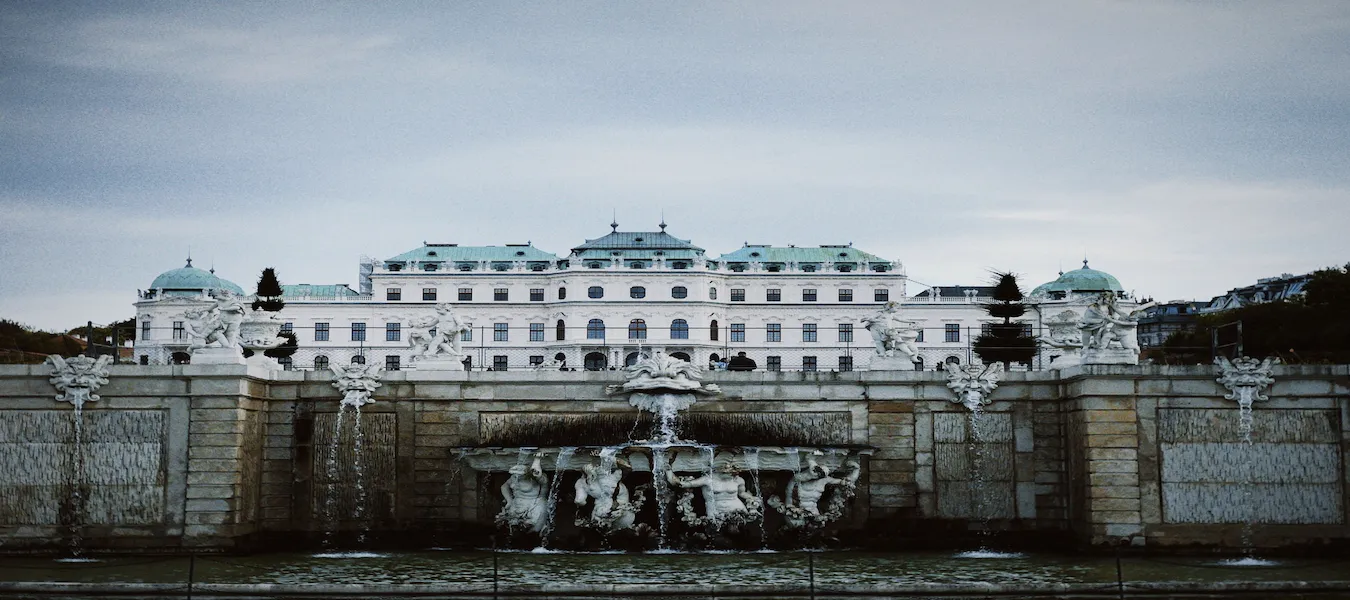
Is Vienna Expensive Compared to Other European Cities?
Vienna sits in the middle-to-upper range of European travel costs. It is more polished and premium than many Central European cities, but it is usually more affordable than several of Europe’s most expensive capitals.
Compared with other popular destinations, Vienna is usually:
- More expensive than Budapest
- More expensive than Prague
- More expensive than Bratislava
- Similar in price to Munich
- Often cheaper than Paris
- Usually cheaper than London
- Much cheaper than Zurich
For most visitors, Vienna feels elegant and high-quality rather than overpriced. The city is clean, safe, well connected, and full of cultural attractions. Even when prices are not low, the overall value is strong because the travel experience is smooth and comfortable.
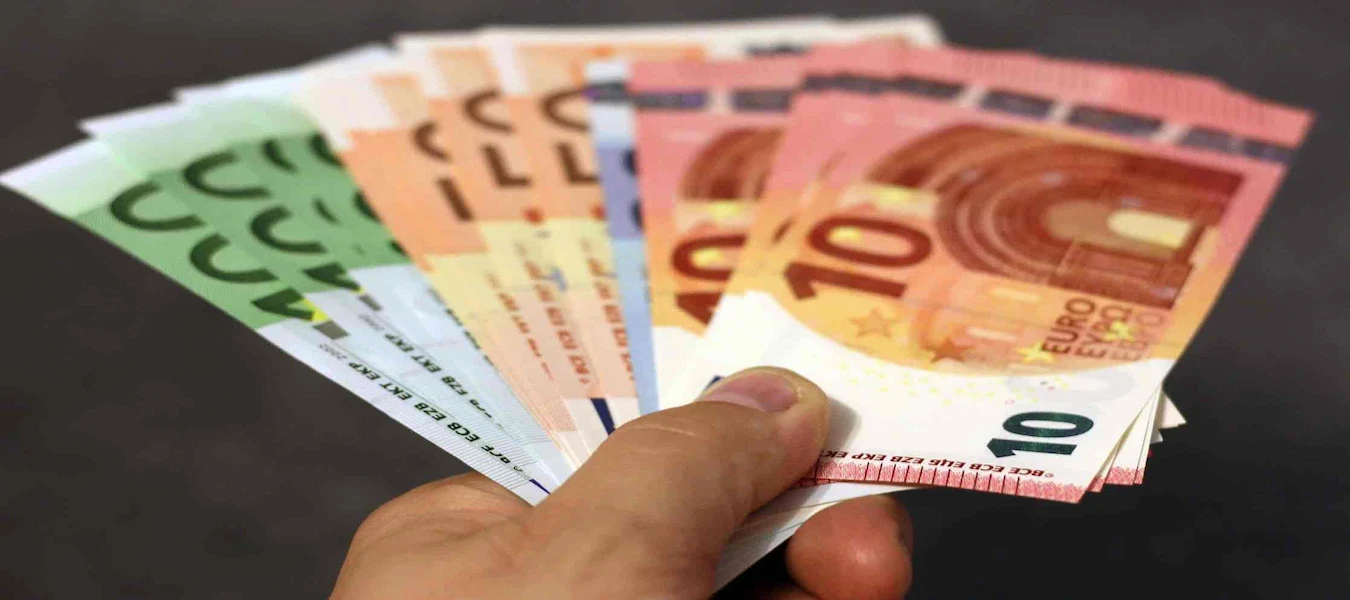
How Much Does Accommodation Cost in Vienna?
Accommodation is usually the biggest expense when visiting Vienna. Prices vary depending on the season, location, hotel category, and how early you book.
Budget Accommodation
Budget travellers can expect to pay around €60–120 per night for hostels, guesthouses, or simple hotels. These options are often located outside the historic centre, but Vienna’s excellent public transport makes it easy to reach the main attractions quickly.
If you want to save money, look for accommodation near a U-Bahn station rather than directly next to St. Stephen’s Cathedral or the Ringstrasse. Staying slightly outside the first district can reduce costs without making your trip inconvenient.
Mid-Range Hotels
Most tourists choose mid-range hotels, which usually cost around €120–250 per night. These hotels often provide comfortable rooms, breakfast options, good service, and convenient access to major attractions.
For first-time visitors, this is usually the best balance between comfort and price. Areas near the city centre, MuseumsQuartier, Mariahilfer Strasse, or transport connections can work very well.
Luxury Hotels
Luxury hotels in Vienna can cost €250–700+ per night. Many of the best hotels are located in historic buildings near the Ringstrasse, Vienna State Opera, Hofburg Palace, or St. Stephen’s Cathedral.
Vienna is a strong luxury destination, so travellers looking for elegant hotels, fine dining, spa facilities, and premium service will find many excellent options.
When Are Hotels Most Expensive in Vienna?
Hotel prices in Vienna are usually highest during peak travel periods. These include summer weekends, Easter holidays, New Year, major events, and the Christmas market season from late November to December.
Christmas is one of the most magical times to visit Vienna, but it is also one of the busiest and most expensive. If you want lower hotel prices, consider visiting in spring or autumn. These seasons offer pleasant weather, fewer crowds, and often better hotel availability.
Booking early is one of the easiest ways to save money, especially if you want to stay near the historic centre.
How Much Does Food Cost in Vienna?
Vienna offers food options for every budget. You can enjoy a simple bakery breakfast, casual street food, a traditional Viennese meal, or fine dining in an elegant restaurant.
Budget Meals
Budget meals are easy to find if you know where to look. Bakeries, sausage stands, casual restaurants, supermarkets, and local markets are good choices for travellers who want to save money.
- Bakery breakfast: €4–8
- Sausage stand or street food: €5–12
- Casual takeaway meal: €8–15
- Simple lunch menu: €10–18
Mid-Range Restaurants
Mid-range restaurants are very common in Vienna. A main course usually costs around €15–30, while a two- or three-course meal can cost around €30–60 per person.
Traditional Viennese restaurants may be slightly more expensive in central tourist areas, but the food quality and atmosphere are often part of the experience.
Traditional Viennese Food Prices
Popular dishes such as Wiener Schnitzel, Tafelspitz, goulash, apple strudel, and Sachertorte can be found across the city. A traditional meal usually costs around €20–40 per person, depending on the restaurant and location.
If you are eating near major attractions, expect higher prices. For better value, walk a few streets away from the busiest tourist areas.
Are Vienna’s Famous Coffee Houses Expensive?
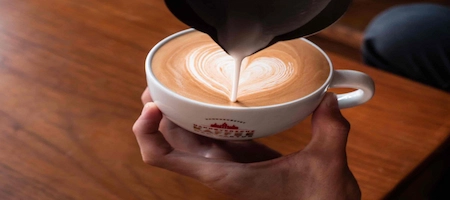
Vienna’s coffeehouse culture is one of the city’s most famous experiences. Historic cafés are not always cheap, but they are usually worth visiting because the atmosphere is part of the attraction.
Typical coffeehouse prices include:
- Coffee: €4–7
- Cake or pastry: €5–9
- Coffee and cake together: around €10–16 per person
Many visitors spend an hour or more relaxing in a traditional café. For that reason, a coffeehouse visit can be one of the best-value cultural experiences in Vienna. You are not only paying for coffee and cake; you are enjoying a historic part of Viennese life.
How Much Does Public Transport Cost in Vienna?
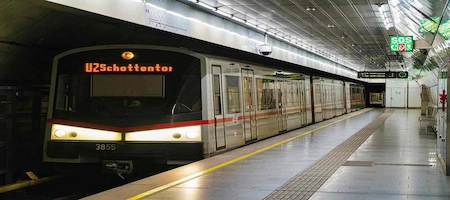
Vienna has one of the best public transport systems in Europe. The U-Bahn, trams, buses, and local trains are clean, reliable, and easy to use.
Typical public transport prices include:
- Single journey: around €3
- 24-hour pass: around €10
For most tourists, public transport is much cheaper and easier than using taxis. Many attractions are also within walking distance of each other in the historic centre.
Are Taxis Expensive in Vienna?
Taxis and ride services are more expensive than public transport, but they can be useful late at night, when travelling with luggage, or when your hotel is not close to a station.
For everyday sightseeing, most visitors do not need taxis. Vienna’s public transport is usually fast, safe, and reliable enough for almost every tourist itinerary.
How Much Do Vienna Attractions Cost?
Vienna’s main attractions are world-class, but many require paid entry. If you plan to visit several museums, palaces, and sightseeing experiences, attraction costs can add up quickly.
Exact prices can change depending on the season, ticket type, special exhibitions, online discounts, and whether visitors choose standard admission or guided experiences. As a general guide, many of Vienna’s major paid attractions cost roughly between €20 and €40 for adults.
Popular paid attractions include:
Visitors who want to explore several paid attractions should plan carefully. A palace visit, two museums, a sightseeing bus tour, and a few additional experiences can quickly become one of the largest parts of your Vienna budget.
Many travellers simplify their sightseeing by using the Vienna E-Pass, which helps combine popular Vienna attractions into one easier plan. This can be especially useful if you want to visit major sights such as Schoenbrunn Palace, Belvedere Palace, museums, and city experiences without organising every ticket separately.
Is Vienna Expensive for Museum Lovers?
Vienna is one of the best museum cities in Europe, but museum costs can become significant if you visit several in a short trip.
Art lovers often want to visit the Kunsthistorisches Museum, Albertina, Belvedere Palace, Leopold Museum, and other exhibitions around MuseumsQuartier. Individually, each ticket may seem reasonable, but several museum visits can add up.
If museums are a major reason for your trip, consider staying at least three or four days. This gives you time to enjoy the collections properly rather than rushing through expensive tickets.
Is Vienna Expensive for Families?
Vienna can be a comfortable destination for families, but costs depend on accommodation, meals, and attraction choices. Family hotel rooms can be more expensive, especially in central locations.
However, Vienna also offers many family-friendly experiences that provide good value. Parks, palace gardens, public transport rides, historic squares, and walking routes can all be enjoyable without high costs.
Families often enjoy Schoenbrunn Palace, Vienna Zoo, Prater, the Natural History Museum, and easy tram rides through the city. Planning your days in advance can help avoid unnecessary transport costs, long queues, and last-minute expensive decisions.
Average Daily Budget in Vienna
Your daily cost in Vienna depends heavily on your travel style. Some visitors spend carefully and focus on free experiences, while others choose central hotels, restaurants, museums, concerts, and private tours.
Budget Traveller
A budget traveller can expect to spend around €70–120 per day. This usually includes simple accommodation, public transport, casual meals, and limited paid attractions.
This budget works best for travellers who stay in hostels or budget hotels, eat at bakeries or casual restaurants, and choose only one or two major paid attractions.
Mid-Range Traveller
A mid-range traveller should plan around €150–250 per day. This allows for a comfortable hotel, restaurant meals, public transport, coffeehouse visits, and several paid attractions.
This is the most realistic budget for many first-time visitors who want comfort without luxury spending.
Luxury Traveller
A luxury traveller may spend €300–700+ per day, especially when choosing premium hotels, fine dining, private tours, opera performances, and high-end cultural experiences.
Vienna is well suited to luxury travel, but it is not necessary to spend heavily to enjoy the city.
Can You Visit Vienna on a Budget?
Yes, Vienna can be visited on a budget with smart planning. The city has many free or low-cost experiences, especially for travellers who enjoy walking, architecture, parks, and historic squares.
To save money in Vienna, you can:
- Stay slightly outside the historic centre
- Book accommodation early
- Use public transport instead of taxis
- Eat at bakeries, markets, and casual restaurants
- Walk through the Old Town and along the Ringstrasse
- Visit free parks, gardens, and churches
- Choose attraction passes if you plan to visit multiple paid sights
Budget travel in Vienna is easiest when you plan your sightseeing before arriving. This helps you avoid paying for attractions you do not have time to enjoy.
Free and Low-Cost Things to Do in Vienna
Vienna has many experiences that do not require a large budget. Even if you skip some paid attractions, you can still enjoy the city’s atmosphere and beauty.
Free or low-cost things to do include:
- Walking around the historic Old Town
- Admiring St. Stephen’s Cathedral from outside
- Strolling along the Ringstrasse
- Exploring palace gardens
- Visiting local markets
- Walking through Stadtpark
- Enjoying the Danube Canal
- Taking photos of Vienna’s architecture
These experiences are part of what makes Vienna valuable. The city itself feels like an open-air museum in many areas.
Is Shopping Expensive in Vienna?
Shopping in Vienna can be affordable or expensive depending on where you go. Luxury shopping areas near the city centre offer premium international brands, while streets such as Mariahilfer Strasse provide more accessible options.
Souvenirs, chocolates, classical music gifts, and local products vary widely in price. Tourist-heavy shops near major landmarks are often more expensive, so compare prices if you plan to buy gifts.
How Much Should You Budget for 2 Days in Vienna?
For a two-day Vienna trip, budget travellers may spend around €150–250 excluding flights. Mid-range travellers may spend around €300–500, depending on hotel choice and attractions.
Two days are enough to see major highlights, but you will need to choose carefully. Many visitors focus on the Old Town, Schoenbrunn Palace, one museum or palace, and a coffeehouse experience.
If you are planning a short visit, reading a guide about how many days in Vienna are enough can help you decide whether two days will feel comfortable or rushed.
How Much Should You Budget for 3 Days in Vienna?
Three days is one of the best trip lengths for Vienna. A budget traveller might spend around €250–400, while a mid-range traveller may spend around €450–750 excluding flights.
With three days, you can enjoy the Old Town, Schoenbrunn Palace, Belvedere Palace, one or two museums, a coffeehouse visit, and relaxed walks through different districts.
For many first-time visitors, three days offer the best balance between cost and experience.
How to Save Money on Vienna Attractions
Attractions are one of the easiest areas to overspend in Vienna. The best way to manage costs is to decide in advance which sights matter most to you.
Before buying individual tickets, make a list of the attractions you genuinely want to visit. Then compare the total cost with available sightseeing options.
If your plan includes several major attractions, the Vienna E-Pass can help make your itinerary easier to organise. It is especially useful for travellers who prefer to plan their sightseeing days clearly before arriving.
Is Vienna Worth the Cost?
For most travellers, Vienna is absolutely worth the cost. The city offers a rare combination of imperial history, beautiful architecture, famous museums, classical music, safe streets, efficient transport, and traditional café culture.
Vienna may not be the cheapest destination in Europe, but it delivers a high-quality travel experience. Many visitors feel that the city offers better value than more expensive capitals because it is clean, organised, easy to explore, and full of cultural highlights.
The key is to spend money where it improves your trip. A palace visit, a museum, a coffeehouse break, and a carefully planned sightseeing route can make Vienna feel special without wasting your budget.
Final Thoughts
So, is Vienna expensive?
Vienna is more expensive than many Central European cities, but it is usually more affordable than major Western European capitals. Accommodation and attractions are often the biggest costs, while public transport remains excellent value.
With good planning, Vienna can suit many types of travellers, from budget visitors to luxury city-break travellers. You can enjoy the city’s architecture, cafés, museums, palaces, and cultural atmosphere without feeling that every experience is overpriced.
If you want to make the most of your time and manage your sightseeing costs more efficiently, the Vienna E-Pass can help you plan your visit and enjoy multiple attractions with less stress.