Vienna café culture is built around the freedom to slow down. Coffee matters, but so do the room, the service, the conversation, the cake and the feeling that there is no need to leave immediately.
Vienna Café Culture and Coffeehouse Traditions are not simply about finding the strongest espresso or the most photogenic cake. A traditional Viennese coffeehouse is a social room, reading room, meeting place, refuge and stage for everyday city life. Its character comes from the relationship between coffee, place and unhurried time.
For a first-time visitor, one well-chosen coffeehouse stop can reveal as much about Vienna’s temperament as a palace or museum. The experience works especially well when it is placed naturally between nearby sights instead of becoming another attraction to rush through. A Vienna E-pass can simplify attraction-heavy parts of the itinerary, leaving clearer space for this slower local ritual.
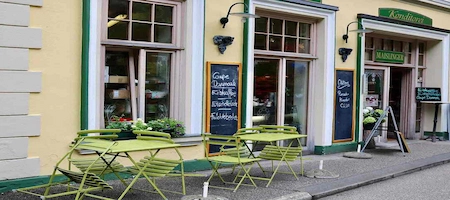
Experience
Traditional Viennese Coffeehouse
Best For
Culture, Coffee and a Slower Break
Classic Order
Coffee, Water and Cake
Recommended Time
45–90 Minutes
Why Vienna’s Café Culture Is So Famous
Vienna’s coffeehouses became famous because they offered more than refreshments. They provided a shared interior where people could meet, read newspapers, exchange ideas, write, observe the city and spend time without treating every minute as a transaction. That combination turned the coffeehouse into a recognizable part of Viennese life.
The tradition is formally included in Austria’s national inventory of intangible cultural heritage. The recognized culture is associated with characteristic details such as marble-topped tables, Thonet-style chairs, alcoves, newspaper tables and historic interiors. Yet the furniture alone is not the tradition. What matters is the social practice that happens around it: people occupying time and space over a coffee.
What makes Vienna coffeehouses special?
A Viennese coffeehouse offers a particular combination of atmosphere, table service, coffee variety, newspapers, pastries and permission to remain. A standard café may focus on speed, takeaway service or the drink itself. A traditional coffeehouse makes the room and the time spent inside equally important.
This is why café culture belongs in a Vienna itinerary even for travelers who are not coffee experts. The experience is accessible, flexible and closely connected to the city’s architecture, food traditions and social identity. It can be elegant without requiring a formal evening, and culturally meaningful without needing hours of historical preparation.
What Makes a Viennese Coffeehouse Different?
The easiest mistake is to enter a classic coffeehouse expecting the rhythm of a modern takeaway café. Traditional coffeehouses are slower, more service-oriented and more dependent on atmosphere. The aim is not simply to receive caffeine as efficiently as possible.
Traditional Viennese coffeehouse
Main focusThe complete room, ritual and social experience
Typical paceUnhurried table service with time to sit
What mattersInterior, service, coffee names, water, newspapers and cakes
Best momentA cultural pause between museums, landmarks or walks
Contemporary café
Main focusThe bean, roast, brewing technique or casual social setting
Typical paceOften faster, more flexible and takeaway-friendly
What mattersCoffee quality, design, barista craft and modern neighborhood culture
Best momentA focused coffee stop or relaxed local morning
Neither format is automatically better. They answer different needs. A historic coffeehouse is the stronger choice when you want to understand the classic Viennese tradition. A modern café may suit you better when the coffee itself is the priority, you prefer a contemporary setting or you need a shorter stop.
For a rounded trip, experience both. Choose one traditional coffeehouse because its room and history interest you, then use a modern or neighborhood café when it fits naturally into another day. The best cafés in Vienna guide compares specific options and atmospheres.
The Traditions Behind Vienna Coffeehouse Culture
The coffeehouse tradition is a collection of small details rather than a rigid ceremony. Not every café preserves every element, and service styles vary, but several recurring features explain why the experience feels distinct.
01
Time is part of the order
The most important tradition is the expectation that a guest may sit, read, talk or think without immediately ordering another item. Visitors should not confuse a relaxed pace with inattentive hospitality.
02
The room has a social role
Classic coffeehouses function as semi-public living rooms. Regulars, visitors, readers and people meeting alone all share the same space without needing the same purpose.
03
Newspapers invite lingering
Newspaper tables and papers held on traditional wooden sticks symbolize the coffeehouse as a place for reading and observing the wider world, not only eating and drinking.
04
Water belongs beside coffee
A glass of water commonly accompanies coffee in traditional settings. It is one of the visual details most strongly associated with the Viennese coffeehouse ritual.
05
Cakes are cultural partners
Pastries and cakes are not an afterthought. They connect the coffeehouse to Vienna’s dessert traditions and make a mid-afternoon visit feel complete without becoming a full meal.
06
Service has its own character
Some historic establishments retain a formal, direct or understated service style. Politeness and patience are more useful than expecting the casual familiarity of a modern coffee bar.
These traditions help explain why the coffeehouse became associated with writers, artists, intellectual discussion and public life. Visitors do not need to recreate a historical scene. Simply allowing the café to become a place rather than a transaction is enough to participate in the living tradition.
What to Order in a Traditional Vienna Café
Viennese coffee menus can be confusing because local names do not always map perfectly onto the drinks visitors order at home. Start with the style you usually enjoy, then ask the server when the menu description is unclear. Preparations can vary slightly between establishments.
Pair the drink with the moment
A famous cake is not automatically the right choice every time. Consider appetite, season and what you have already eaten. Sharing a slice can be more enjoyable than forcing dessert after a heavy lunch.
SachertorteChocolate, apricot and a classic first-visit choice
ApfelstrudelFruit, pastry and a lighter-feeling traditional option
KaiserschmarrnMore substantial and better treated as its own sweet course
Seasonal pastryA chance to choose what looks best rather than only what is famous
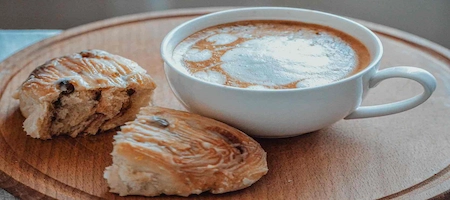
For a broader introduction to dishes, desserts, markets and drinks, continue with the Vienna Food and Drinks Guide. If you are choosing between a coffeehouse, restaurant or market, the practical guide to where to eat in Vienna helps match each format to the day.
How to Experience Vienna Café Culture as a Visitor
A good coffeehouse visit needs very little planning, but the right expectations improve it considerably. The goal is not to imitate a local or complete a checklist. It is to give the experience enough time to reveal its character.
1
Choose for atmosphere and route
Select one classic coffeehouse because the interior, history or location appeals to you. It should sit near attractions already in the plan; crossing Vienna only for a coffee can turn a graceful pause into a logistical task.
2
Allow a realistic amount of time
Plan roughly 45 to 90 minutes for a relaxed coffee-and-cake visit. Famous venues may require more time at busy hours. If the day is tightly scheduled, choose a quieter neighborhood café rather than becoming frustrated by a queue.
3
Read the room before ordering
Look at the cake display, the menu and how the space is used. Decide whether you want a full breakfast, a savory meal, one drink, or the classic coffee-and-cake combination before ordering automatically.
4
Let the pause do its work
Put away the route for a while. Read, talk, watch the room or simply rest. The visit becomes more memorable when it changes the pace of the day instead of functioning as another item to complete.
Practical etiquette for first-time visitors
Wait to be seated when the entrance or staff indicates table placement. Greet the server, order clearly and ask when a coffee name is unfamiliar. Do not assume every famous café accepts the same reservation system or payment methods. Check current opening hours, menu details and access information directly before making a special journey.
Historic Coffeehouses vs Modern Cafés in Vienna
Vienna’s contemporary coffee scene does not replace its historic coffeehouses; it adds another layer. Traditional and modern cafés emphasize different parts of the experience, and understanding the distinction prevents disappointment.
Choose a historic coffeehouse when architecture, ceremony, cake, newspapers and a long pause matter most. This is usually the better option for a first encounter with Vienna coffeehouse culture, especially after a museum or during a walk through the central districts.
Choose a modern café when you care more about bean origin, roasting, pour-over methods, barista conversation or a more informal neighborhood atmosphere. Modern cafés can be excellent for breakfast, remote work or a short focused coffee stop, but they may not provide the classic setting travelers picture when they imagine Vienna.
The strongest two-stop plan is contrast: one historic room and one modern café. This reveals that Vienna’s relationship with coffee is both inherited and evolving. Use the guide to the best cafés in Vienna for coffee lovers to compare individual options by atmosphere and travel style.
The Best Moments to Add a Coffeehouse Stop to a Vienna Trip
A coffeehouse feels most natural when it solves a real need in the itinerary: rest, warmth, conversation, shelter from rain or a slower transition between two areas. Place it where the day already wants to pause.
After a museumUse the café to process what you saw and avoid moving directly into another major interior.
During an Old Town walkStop between Stephansplatz, Hofburg, the Opera area or the Ringstrasse rather than finishing the full route exhausted.
On a rainy afternoonTurn poor weather into part of the cultural experience instead of treating the café only as emergency shelter.
Before an evening eventA late-afternoon coffeehouse visit creates a calm bridge between sightseeing and a concert, opera or dinner.
The Vienna City Center Walking Guide provides a natural central route for a coffeehouse break. If your trip is tightly structured, the 3 days in Vienna itinerary shows how to balance palaces, museums, neighborhoods and slower local experiences.
Café Culture, Desserts, and the Vienna Food Experience
Coffeehouse culture connects several parts of Vienna’s culinary identity. It is where drinks, pastries, dining rooms, service traditions, and public life meet. That makes a café visit more culturally revealing than treating dessert, coffee and atmosphere as separate categories.
A traditional coffeehouse may also serve breakfast, soups, snacks or complete Viennese dishes, but not every venue is equally strong for every purpose. Choose a coffeehouse for its core experience first. If you need a full meal, confirm the kitchen menu and hours rather than assuming the cake counter represents the entire offer.
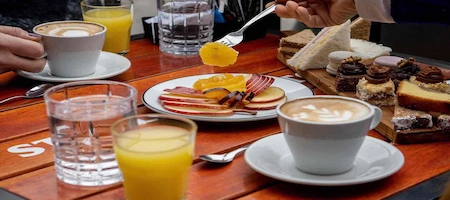
Dessert planning works best through variety. Try one famous classic, then choose another pastry because it is seasonal or looks especially good. Pairing every coffee with Sachertorte can flatten the experience; Apfelstrudel, cream cakes, yeast pastries and house specialties reveal a broader sweet tradition.
Use the main Vienna food and drinks guide to connect coffeehouses with traditional dishes, wine, markets and local dining. For meal planning by area and occasion, continue to Where to Eat in Vienna.
Vienna Café Culture for First-Time Visitors
A short trip does not require visits to several famous coffeehouses. One carefully chosen traditional experience is more useful than spending hours in multiple queues for rooms that offer similar purposes. Add a second café only when it provides a genuine contrast.
A balanced first-trip approach
Choose one historic coffeehouse for the classic room and ritual. Add one modern or neighborhood café because it fits naturally near another attraction. Keep dessert flexible so you can order what suits your appetite rather than following a compulsory list.
If you only have time for one visit, place it after the most walking-intensive part of a city-center day. Allow at least 45 minutes, choose a traditional coffee, add cake if you are hungry and resist planning another timed activity immediately afterward.
Families can keep the stop shorter and select a café with a broad pastry or food menu. Couples may prefer late afternoon when the visit can lead into an evening walk. Solo travelers can lean into the reading-room tradition by choosing a newspaper, book or window seat. Coffee enthusiasts should compare a classic coffeehouse with a contemporary specialty café rather than expecting one format to satisfy both interests.
Make Sightseeing Easier with the Vienna E-pass
A good Vienna itinerary alternates substantial attractions with genuine pauses. The Vienna E-pass brings included attraction information into one digital sightseeing product, which can reduce the friction of organizing separate attraction tickets and make the day easier to read.
That structure is useful when you want to visit a palace, museum or guided experience and still protect an hour for coffeehouse culture. Plan the major included attractions first, group them geographically, then place a café between nearby stops rather than crossing the city for a famous name.
See Vienna E-pass Attractions
Group major attractions by area
Review reservation requirements in advance
Leave 45–90 minutes for the café experience
Keep the final coffeehouse choice flexible
Check current inclusion details before visiting
Final Thoughts on Vienna’s Coffeehouse Traditions
Vienna’s coffeehouses are memorable because they turn an ordinary need into a cultural interval. The coffee, water, cake, room and service all matter, but the defining luxury is time. Treat the visit as part of the city’s social fabric rather than a place to recover briefly before the next attraction.
For a first trip, choose one traditional coffeehouse with intention, order according to taste and give the room enough time to become an experience. Then explore the wider culinary context through the Vienna Food and Drinks Guide and compare specific venues in the Best Cafés in Vienna guide.